Pentamidine is primarily used to treat and prevent Pneumocystis jirovecii pneumonia (PCP), a serious lung infection commonly seen in immunocompromised patients, such as those with HIV/AIDS.
Pentamidine Isethionate

Generic Name/API:Pentamidine Isethionate
Packaging:Pentamidine Isethionate for Injection 300 mg, lyophilized product in single-dose vials, packages of 10.
Storage:Store at 20°to 25°C.
Dosage:Lyophilized powder for injection or inhalation solution
Strength:300 mg/6 mL
Indication:Pentamidine serves as an essential alternative for patients who cannot tolerate sulfa-based medications. Available in both intravenous and inhalation forms, it is a key therapeutic option for the treatment and prevention of Pneumocystis jirovecii pneumonia (PCP), especially in immunocompromised individuals such as those with HIV/AIDS. Its dual role as both a treatment and a prophylactic agent adds to its value in managing infections in complex clinical Condition.
Pentamidine is indicated in the treatment and prevention of the following:
- Pneumocystis jirovecii Pneumonia (PCP): This potentially fatal lung infection poses a serious risk to individuals with weakened immune systems, particularly those affected by HIV/AIDS. Pentamidine is a key therapeutic option for both the treatment and prevention of the infection in patients.
- African Trypanosomiasis (Sleeping Sickness): Pentamidine is the primary treatment for the early stages of West African Trypanosomiasis caused by Trypanosoma brucei gambiense, before the infection progresses to the central nervous system.
- Leishmaniasis: Pentamidine may be used in the treatment of certain forms of leishmaniasis, a parasitic disease transmitted by sandflies, particularly when other therapies are ineffective or contraindicated.
Strength:
Pentamidine Isethionate is available as 300 mg single-dose lyophilized vial (for injection or inhalation after reconstitution).
Dosage:
The recommended dosage is as follows:
The dosage for pentamidine Isethionate is 4mg/kg of body weight once a day for 14 to 21 days.
Adverse reactions:
The following are the adverse reactions of pentamidine
- Hypoglycemia
- Hypotension
- Nephrotoxicity
- Hepatotoxicity
- Bronchospasm
Storage:
Store dry product at 20°to 25°C.
Pentamidine is a powerful antimicrobial with significant potential side effects, requiring careful use and close monitoring. It can affect kidney, heart, liver, and lung function, and may cause blood sugar imbalances, pancreatitis, and allergic reactions. Intravenous use may lead to infusion-related reactions. Special caution is needed in patients with existing health conditions, during pregnancy or breastfeeding, and in children. Regular monitoring of organ function, glucose levels, electrolytes, and ECGs is essential to ensure safe and effective treatment.
Contraindications:
- Anaphylaxis: Avoid pentamidine in patients with a history of anaphylactic reactions to its inhaled or parenteral forms.
- Nephrotoxicity: Use caution or avoid combining pentamidine with other nephrotoxic drugs (e.g., cyclosporine, cisplatin, aminoglycosides, beta-lactams, amphotericin B, indomethacin).
- QT Prolongation: Risk of prolonged QT interval and torsades de pointes when used with certain drugs (e.g., antiarrhythmics, antihistamines, antipsychotics, antidepressants, neuroleptics, some antibiotics, antimalarials, antifungals).
- Pregnancy: Safety in pregnancy is not well established.
- Breastfeeding: Due to unknown risks, consider discontinuing breastfeeding or using an alternative drug.
FAQ
How is pentamidine administered?
Pentamidine can be administered by intravenous (IV) injection, intramuscular (IM) injection, or inhalation (nebulized form). The route depends on the condition being treated. For prevention of PCP, the inhaled form is commonly used, while IV or IM is typically used for active infections.
Can pentamidine be used during pregnancy?
Pentamidine is classified as Pregnancy Category C, It should only be used during pregnancy if the potential benefits justify the potential risks. Always consult your healthcare provider.
What is the storage condition for pentamdine?
Pentamidine is stored at room temperature (20°to 25°C).
What are the key criteria for selecting a supplier?
While selecting a supplier, we essentially ensure that the supplier holds a valid Good Distribution Practice (GDP) certificate and posssess a valid operating license. These credentials confirm that the suppliers adherence to International standards for the proper distribution of medicinal product.
How to buy Pentacarinat (pentamidine isethionate) online in India?
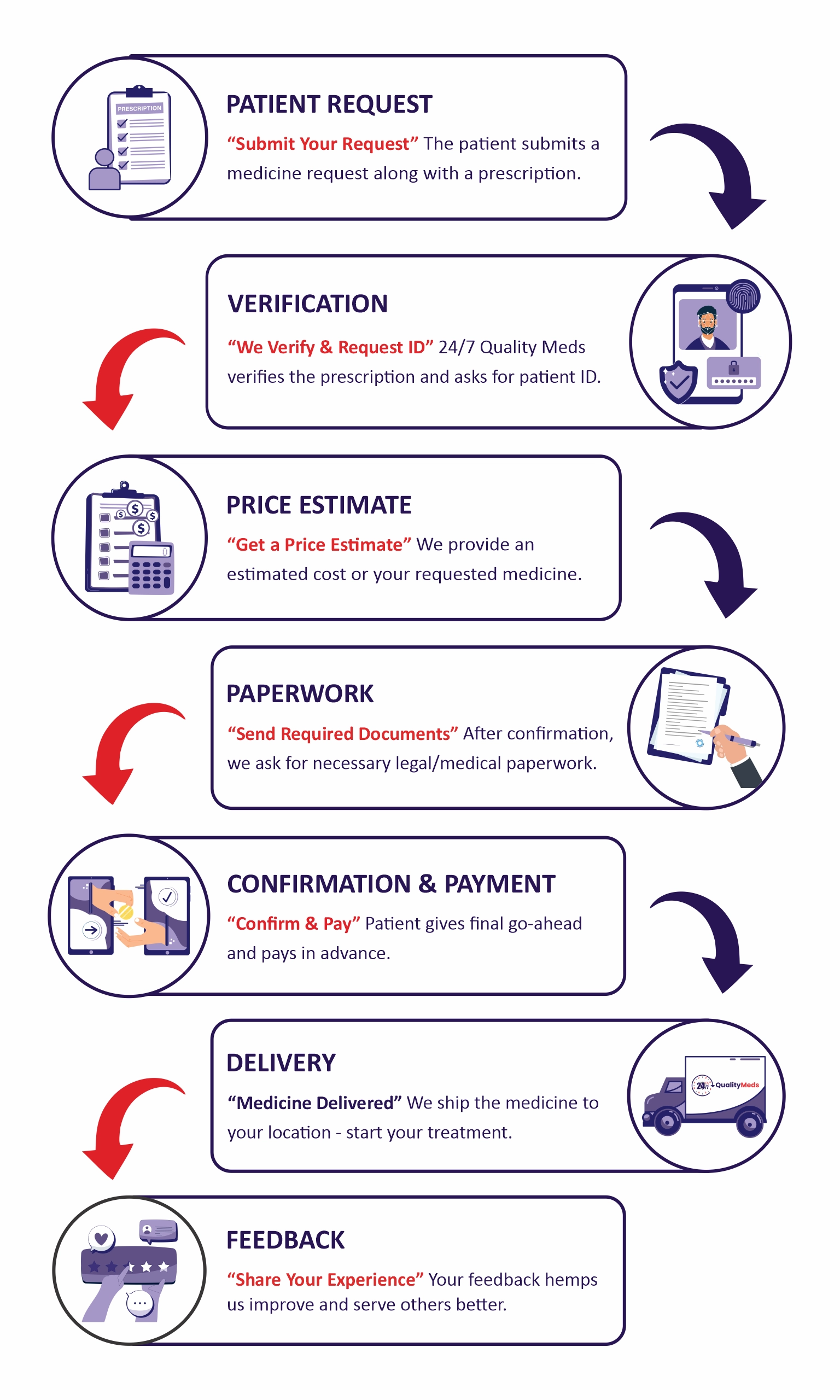
To buy Pentacarinat (pentamidine isethionate) online in India at a genuine price, contact 24/7QualityMeds. We assist with import procedures, sourcing from trusted suppliers and ensure safe and reliable delivery.
How to buy pentamidine isethionate (Pentacarinat) in Delhi?
To buy pentamidine isethionate (Pentacarinat) in Delhi, reach out to 24/7QualityMeds. We assist with prescription verification, import documentation, sourcing from verified global sources, and compliant medicine import in accordance with applicable regulations.
Where can I buy pentamidine isethionate (Pentacarinat) in Mumbai?
To buy pentamidine isethionate (Pentacarinat) in Mumbai, submit your request to 24/7QualityMeds along with your prescription, or call us directly at +91 9967979080.