Monjuvi / Minjuvi (pronounced mon-JOO-vee) is a prescription medicine known generically as tafasitamab-cxix. It is a targeted immunotherapy, specifically a CD19-directed cytolytic antibody. This means it’s a lab-made protein designed to attach to a specific target (CD19 protein) found on the surface of some cancer cells, helping the body’s immune system to identify and destroy them.
Tafasitamab
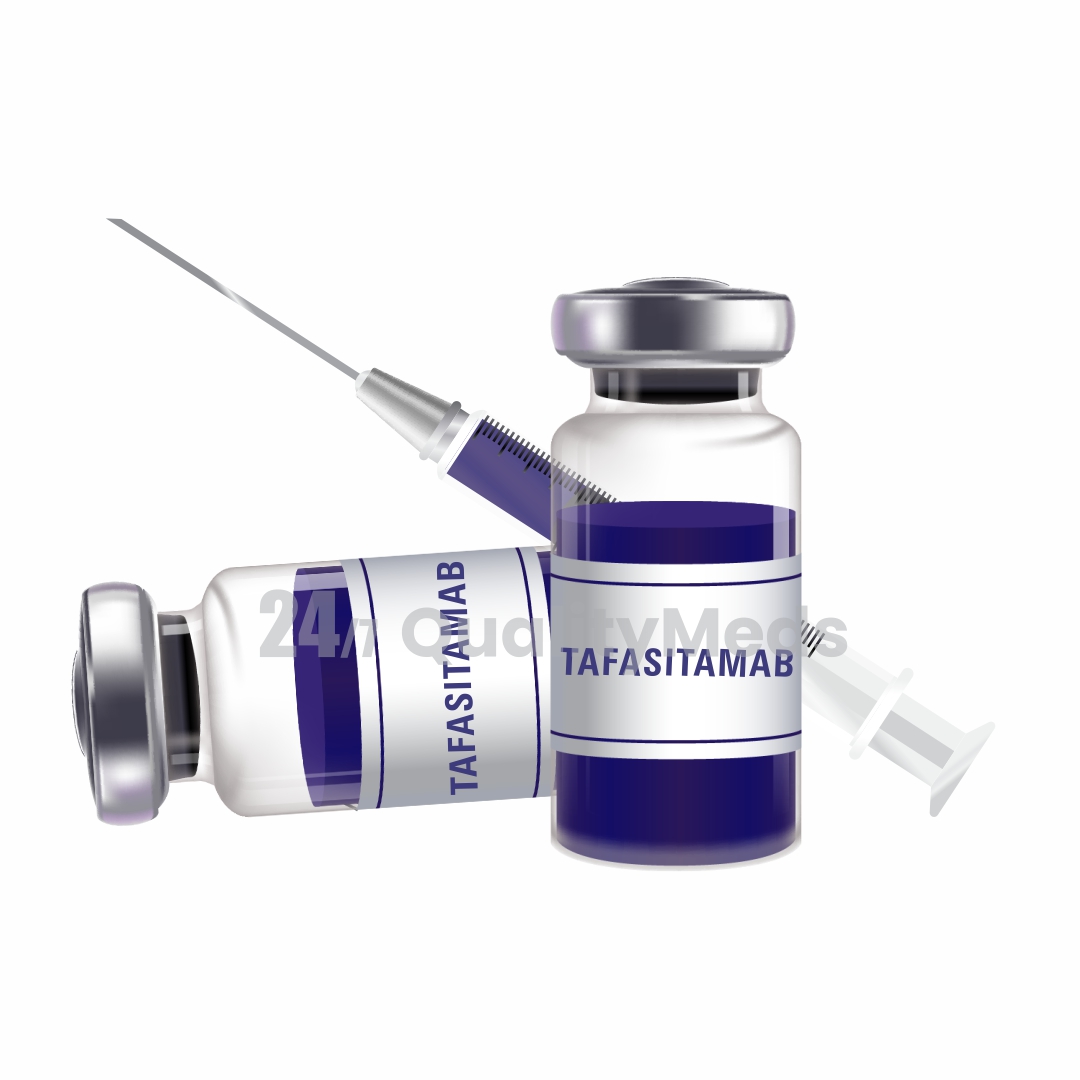
Generic Name/API:Tafasitamab-cxix
Packaging:A single dose vial
Storage:Store at 2°C to 8°C
Dosage:For dosage information, please check the General Information section.
Strength:For injection: 200 mg of tafasitamab-cxix as white to slightly yellowish lyophilized powder in single-dose vial for reconstitution and further dilution.
Indication:An innovative targeted immunotherapy primarily used in the treatment of adult patients with relapsed or refractory diffuse large B-cell lymphoma (DLBCL), a fast-growing type of non-Hodgkin lymphoma. This medication is specifically indicated for those who are not candidates for autologous stem cell transplant and is administered in combination with lenalidomide.
ABOUT MEDICINE
Minjuvi / Monjuvi (tafasitamab) is a CD19-directed cytolytic antibody indicated in combination with lenalidomide for the treatment of adult patients with relapsed or refractory diffuse large B-cell lymphoma (DLBCL) not otherwise specified, including DLBCL arising from low grade lymphoma, and who are not eligible for autologous stem cell transplant (ASCT).
STRENGTH:
For injection: 200 mg of tafasitamab-cxix as white to slightly yellowish lyophilized powder in single-dose vial for reconstitution and further dilution.
DOSAGE:
The recommended dose of Monjuvi is 12 mg/kg based on actual body weight administered as an intravenous infusion according to the dosing schedule
Minjuvi / Monjuvi Dosing Schedule Cycle
Dosing schedule
| Cycle 1 | Days 1, 4, 8, 15, and 22 |
| Cycles 2 and 3 | Days 1, 8, 15 and 22 |
| Cycle 4 and beyond | Days 1 and 15 |
ADVERSE EFFECTS:
-
- Blood and lymphatic system disorders, Neutropenia, Anemia, Thrombocytopenia, Febrile neutropenia
- General disorders and administration site conditions, Fatigue, Pyrexia, Peripheral edema, Gastrointestinal disorders, Diarrhea, Constipation, Nausea, Vomiting
- Respiratory, thoracic and mediastinal disorders, Cough, Dyspnea
- Infections Respiratory tract infection, Urinary tract infection, Bronchitis
- Metabolism and nutrition disorders, Decreased appetite, Hypokalemia
- Musculoskeletal and connective tissue disorders, Back pain, Muscle spasms
STORAGE :
(2°C to 8°C)
- Infusion-Related Reactions
Minjuvi / Monjuvi (tafasitamab) can cause infusion-related reactions. In L-MIND, infusionrelated reactions occurred in 6% of the 81 patients. Eighty percent of infusion-related reactions occurred during cycle 1 or 2. Signs and symptoms included chills, flushing, dyspnea, and hypertension. These reactions were managed with temporary interruption of the infusion and/or with supportive medication.
- Myelosuppression
Minjuvi / Monjuvi (tafasitamab) can cause serious or severe myelosuppression, including neutropenia, thrombocytopenia, and anemia . In L-MIND, Grade 3 neutropenia occurred in 25% of patients, thrombocytopenia in 12% and anemia in 7%. Grade 4 neutropenia occurred in 25% and thrombocytopenia in 6%. Neutropenia led to treatment discontinuation in 3.7% of patients
- Infections
Fatal and serious infections, including opportunistic infections, occurred in patients during treatment with Minjuvi / Monjuvi and following the last dose. In L-MIND, 73% of the 81 patients developed an infection. The most frequent infections were respiratory tract infection (24%), urinary tract infection (17%), bronchitis (16%), nasopharyngitis (10%) and pneumonia (10%). Grade 3 or higher infection occurred in 30% of the 81 patients
FAQ
What is Monjuvi used for?
Monjuvi / Minjuvi (tafasitamab) is approved for the treatment of adult patients with relapsed or refractory diffuse large B-cell lymphoma (DLBCL), not otherwise specified, including DLBCL arising from low-grade lymphoma. It is used in combination with lenalidomide for patients who are not eligible for autologous stem cell transplant.
How does Monjuvi / Minjuvi work?
Monjuvi / Minjuvi (tafasitamab) works by targeting the CD19 protein, which is commonly found on the surface of B-cells, including the cancerous B-cells in DLBCL. By binding to CD19, Monjuvi facilitates two main anti-tumor activities:
- Antibody-Dependent Cell-Mediated Cytotoxicity (ADCC): It flags the cancer cells for destruction by the patient’s own immune cells (like Natural Killer cells).
- Direct Cell Death (Apoptosis): It can directly induce cell death in the cancerous B-cells. Essentially, it acts as a beacon, guiding the immune system to attack the lymphoma cells.
Is Monjuvi / Minjuvi a chemotherapy drug?
No, Monjuvi / Minjuvi is not a traditional chemotherapy drug. Chemotherapy typically works by killing rapidly dividing cells, both cancerous and healthy. Monjuvi is a targeted therapy and immunotherapy, meaning it’s designed to specifically recognize and attack cancer cells based on their unique markers (like CD19), or to enhance the body’s immune response against them. This often results in a different side effect profile compared to conventional chemotherapy.
What are some common side effects of Monjuvi / Minjuvi?
Like all medications, Monjuvi / Minjuvi (tafasitamab) can cause side effects. Common side effects reported include fatigue, diarrhea, fever, cough, infections (such as upper respiratory tract infection), swelling of arms and legs and neutropenia (low white blood cell counts). Infusion-related reactions can also occur. Patients should always discuss potential side effects and any concerns with their healthcare provider.
What is the cost of Monjuvi / Minjuvi (tafasitamab-cxix) injection in India?
The cost of Monjuvi / Minjuvi (tafasitamab-cxix) injection in India may vary as it is not locally manufactured and usually needs to be imported. Pricing depends on supplier availability, import duties and currency fluctuations. For accurate cost details, contact 24/7QualityMeds at +91 9967979080.
How to buy Monjuvi / Minjuvi (tafasitamab-cxix) injection online in India?
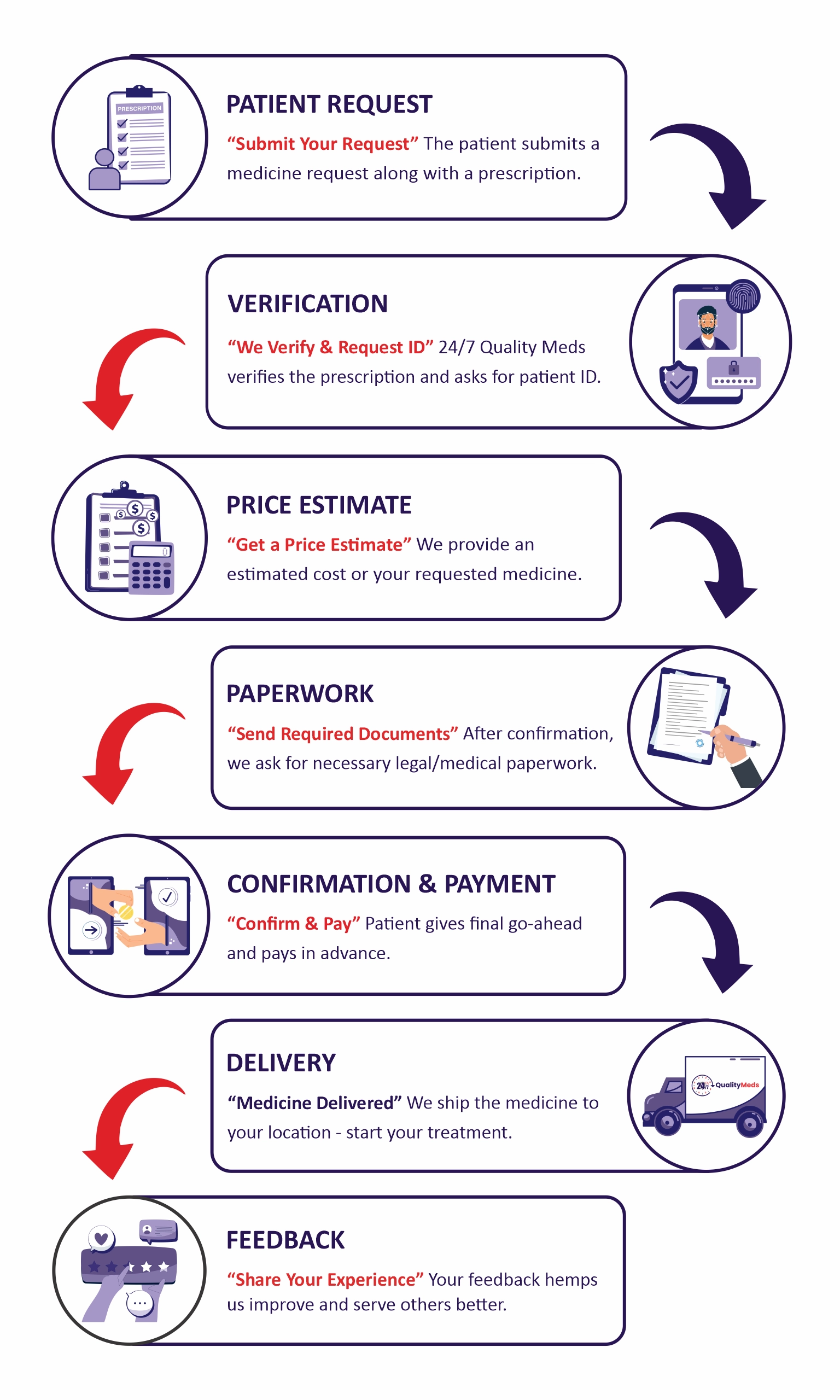
To buy Monjuvi / Minjuvi (tafasitamab) injection in India at a genuine price, reach out to 24/7QualityMeds. We provide full support with the legal import process, ensure safe delivery and help patients access authentic medicine at the best possible cost.
What are the key criteria for selecting a supplier?
While selecting a supplier, we essentially ensure that the supplier holds a valid Good Distribution Practice (GDP) certificate and possesses a valid operating license. These credentials confirm that the suppliers adherence to International standards for the proper distribution of medicinal product.
How to buy tafasitamab (Monjuvi / Minjuvi) in Delhi?
To buy tafasitamab (Monjuvi / Minjuvi) in Delhi, connect with 24/7QualityMeds. Every request is reviewed individually, and our team assists with prescription verification, regulatory documentation, international sourcing through verified suppliers and compliant medicine import and delivery.
Where can I buy tafasitamab (Monjuvi / Minjuvi) in Mumbai?
To buy tafasitamab (Monjuvi / Minjuvi) in Mumbai, reach out to 24/7QualityMeds. We verify your prescription, coordinate the regulatory paperwork and arrange compliant import and cold-chain delivery to your doorstep or treating hospital.