Tucatinib

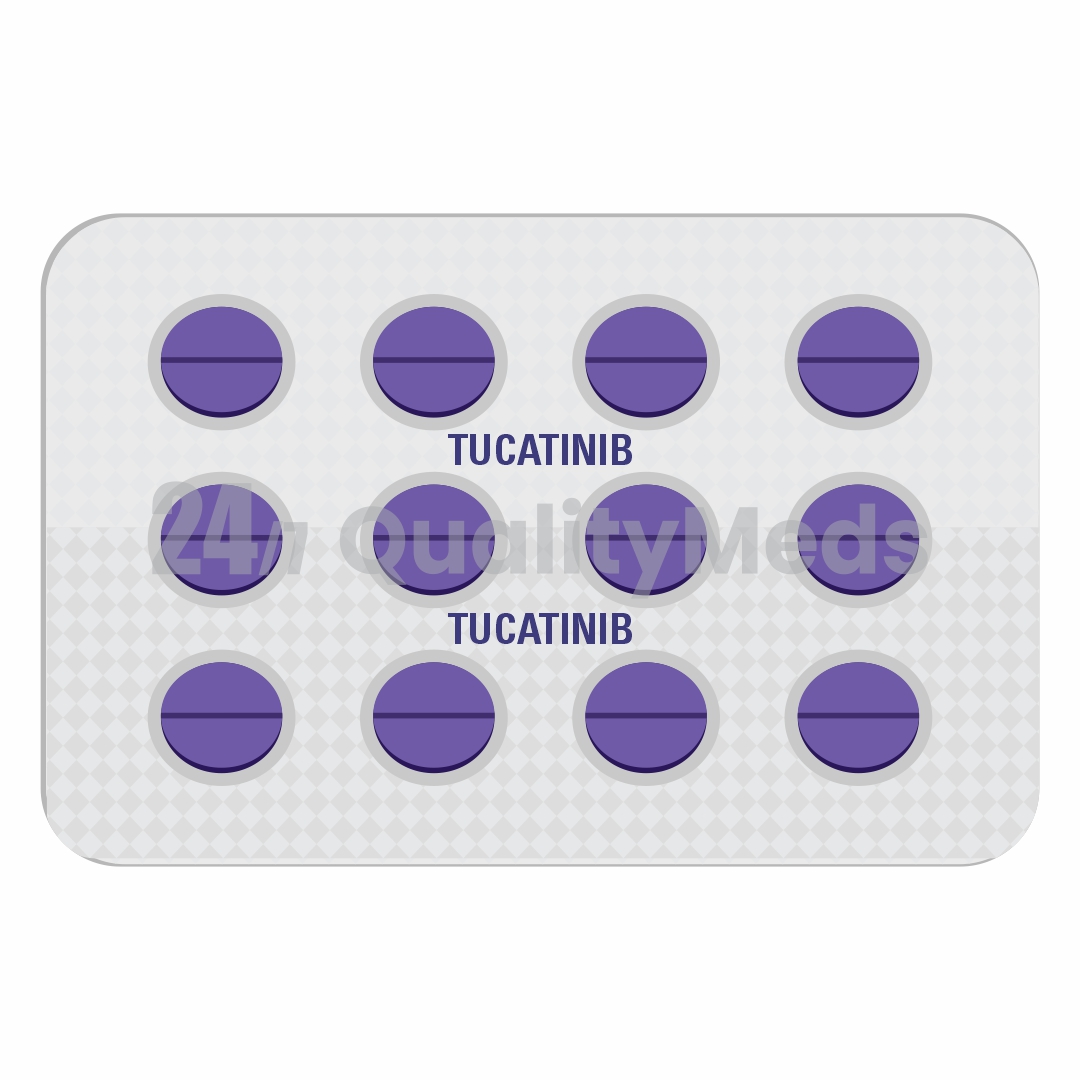
tucatinib tablet
Generic Name/API:Tucatinib
Packaging:TUKYSA is packaged as follows: 50 or 150 mg tablets: 60 count in 75 cc bottle 150 mg tablets: 120 count in 150 cc bottle
Storage:Store at controlled room temperature, 20ºC to 25ºC (68ºF to 77ºF).
Dosage:For dosage information, please check the General Information section.
Strength:Each tablet has 50 mg or 150 mg of tucatinib.
Indication:Tukysa is a HER2-directed tyrosine kinase inhibitor approved in combination therapy that has demonstrated a significant overall survival benefit in patients with HER2-positive metastatic breast cancer—including those with brain metastases. Its ability to cross the blood-brain barrier and maintain efficacy makes it a critical advancement in treatment of HER2+ disease. Its favorable tolerability profile, and ability to be used post multiple HER2-targeted therapies make it a valuable option in the treatment landscape for HER2-positive metastatic breast cancer.

TUKYSA (tucatinib) is a HER2-directed kinase inhibitor. In vitro, tucatinib blocks HER2 and HER3 phosphorylation, inhibiting downstream MAPK and AKT signaling, which reduces cell proliferation. It has shown anti-tumor activity in HER2-expressing cells. In vivo, tucatinib inhibited HER2-positive tumor growth. When combined with trastuzumab, tucatinib demonstrated enhanced anti-tumor effects in both in vitro and in vivo models compared to either agent alone.

Indications:

  • In combination with trastuzumab and capecitabine for adults with advanced unresectable or metastatic HER2-positive breast cancer, including those with brain metastases, who have received at least one prior anti-HER2 regimen in the metastatic setting.
  • In combination with trastuzumab for adults with RAS wild-type, HER2-positive unresectable or metastatic colorectal cancer which has progressed after fluoropyrimidine, oxaliplatin, and irinotecan therapy.

This colorectal cancer indication is approved under accelerated approval based on tumor response and duration; continued approval may depend on confirmatory trial results. HER2 overexpression and RAS wild-type status should be confirmed in tumor tissue before starting TUKYSA in colorectal cancer patients.

STRENGTH 

  •  Each tablet has 50 mg or 150 mg of tucatinib. 

DOSAGE:  

  • Recommended dosage is 300 mg taken orally twice daily with or without food. 
  • Patients with severe hepatic impairment are recommended a dosage of 200 mg orally twice daily. 

Dosage reductions for adverse  reactions: (Diarrhoea, hepatotoxicity and others )

  • First dose reduction:  250 mg orally twice daily 
  • Second  dose reduction: 200 mg orally twice daily 
  • Third dose reduction: 150 mg orally twice daily 

Dosage reductions for severe hepatic impairment: 

  • For patients with severe hepatic impairment (Child-Pugh C), reduce the recommended dosage to 200 mg orally twice daily. 

SIDE EFFECTS

  • The clinically significant adverse reactions include diarrhea and hepatotoxicity.

STORAGE

  • Store at controlled room temperature, 20ºC to 25ºC (68ºF to 77ºF); excursions permitted from 15ºC to 30ºC (59ºF to 86ºF).
  1. Diarrhoea: Tucatinib can cause severe diarrhea including dehydration, hypotension, acute kidney injury, and death . If diarrhea occurs, administer antidiarrheal treatment as clinically indicated. Perform diagnostic tests as clinically indicated to exclude other causes of diarrhea and on the basis of severity, interrupt or reduce or permanently discontinue treatment.

  2. Hepatotoxicity : Tucatinib can cause severe hepatotoxicity. Monitor ALT, AST, and bilirubin prior to starting tucatinib, every 3 weeks during treatment, and as clinically indicated. Based on the severity of hepatotoxicity, interrupt dose, then dose reduce or permanently discontinue tucatinib.

  3. Embryo-Fetal Toxicity: Tucatinib can cause fetal harm based on animal studies and its mechanism of action. There is no human data on use during pregnancy. In rats and rabbits, tucatinib caused embryo-fetal death, reduced fetal weight, and malformations at exposures ≥1.3 times the human dose (based on AUC). Maternal toxicity was also observed in rats.

Advise pregnant women and females of reproductive potential of the potential risk to the fetus. Use effective contraception during treatment and for at least one week after the last dose.

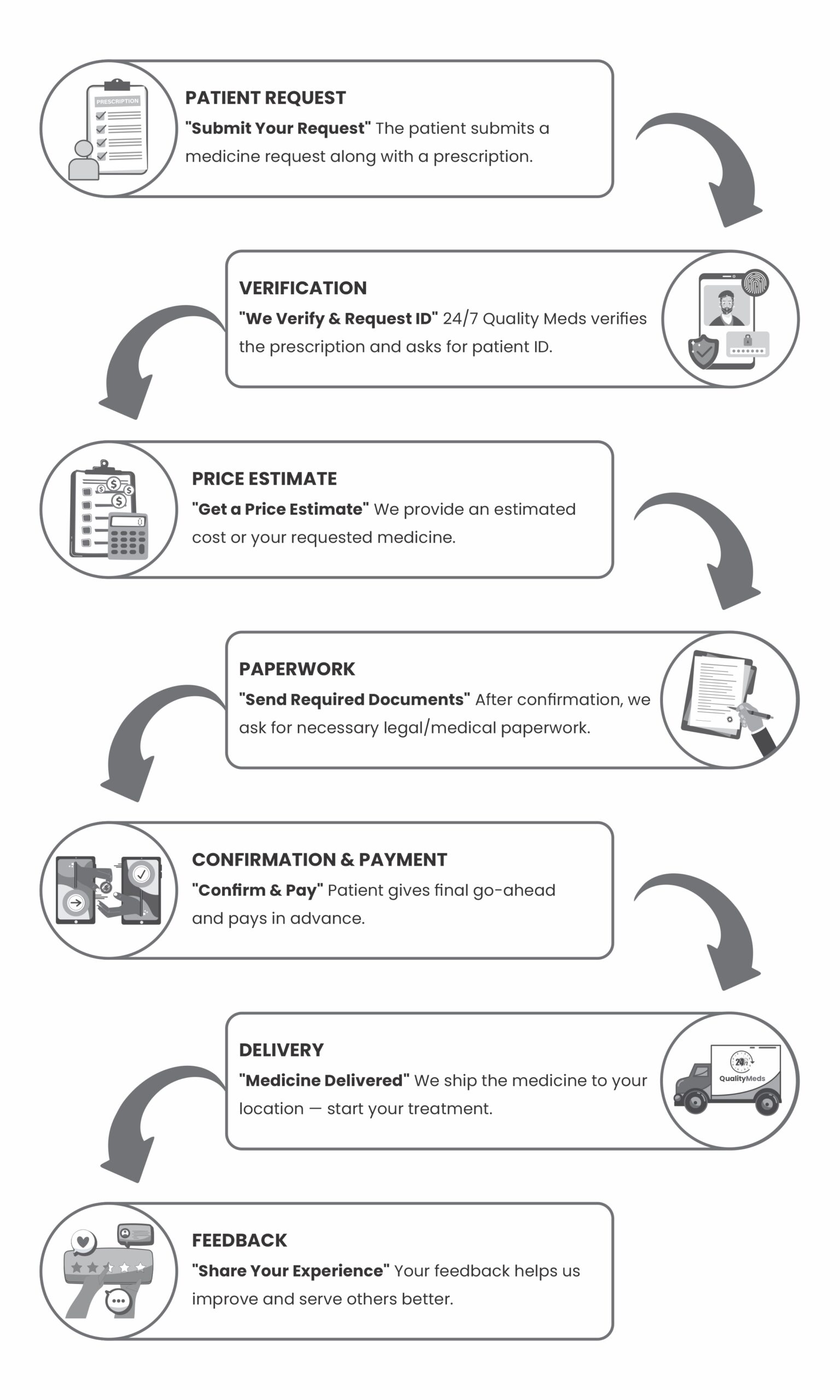
Process to Import Medicine

FAQ

TUKYSA is a prescription medicine used to treat adults with:

  • A type of breast cancer called human epidermal growth factor receptor-2 (HER2)-positive breast cancer, with the medicines trastuzumab and capecitabine, in a metastatic setting, after receiving one or more anti-HER2 breast cancer treatments.
  • A type of colorectal cancer called RAS wild-type HER2-positive colorectal cancer, with trastuzumab, in the metastatic setting, after treatment with fluoropyrimidine-, oxaliplatin-, and irinotecan-based chemotherapy that did not work or is no longer working.

It is not known if TUKYSA is safe and effective in children.
Tucatinib is a kinase inhibitor that inhibits HER2 and reduces cell proliferation and anti-tumor activity in HER2-expressing cells. It is indicated for use as follows:

  • In combination with trastuzumab and capecitabine for the treatment of advanced unresectable or metastatic HER2-positive breast cancer, including patients with brain metastases, who have received more than one anti-HER2-based regimen.
  • In combination with trastuzumab for the treatment of adult patients with RAS wild-type HER2-positive unresectable or metastatic colorectal cancer that has progressed following treatment with fluoropyrimidine-, oxaliplatin-, and irinotecan-based chemotherapy.

The clinically significant adverse reactions include diarrhea and hepatotoxicity.

TUKYSA (tucatinib) may cause fetal harm and impair fertility; advise effective contraception during treatment and for 1 week after. Avoid breastfeeding during and for 1 week after treatment. Safety in pediatric patients has not been established. Elderly patients may experience more side effects without reduced effectiveness. No dose adjustment is needed for mild or moderate renal or hepatic impairment, but caution is advised in severe cases.

The price of Tucatanib tablets in India may vary, as the medicine is not approved for local sale and must be imported. Costs can fluctuate due to international currency exchange rates (USD/EUR), import duties, and supplier availability. For accurate and up-to-date pricing, please contact 247 QualityMeds.

To buy Tucatanib tablets online in India at a genuine rate, contact 247 QualityMeds. We assist you in importing this medication legally and at the best possible price.

While selecting a supplier, we essentially ensure that the supplier holds a valid Good Distribution Practice (GDP) certificate and possesses a valid operating license. These credentials confirm that the suppliers adherence to International standards for the proper distribution of medicinal product.