Enrylaze (Recombinant Crisantaspase) is a recombinant Erwinia-derived L-asparaginase that depletes circulating L-asparagine by converting it to L-aspartic acid and ammonia, starving leukemic cells that lack sufficient asparagine synthetase and thereby inhibiting protein synthesis and inducing apoptosis.
Recombinant Crisantaspase
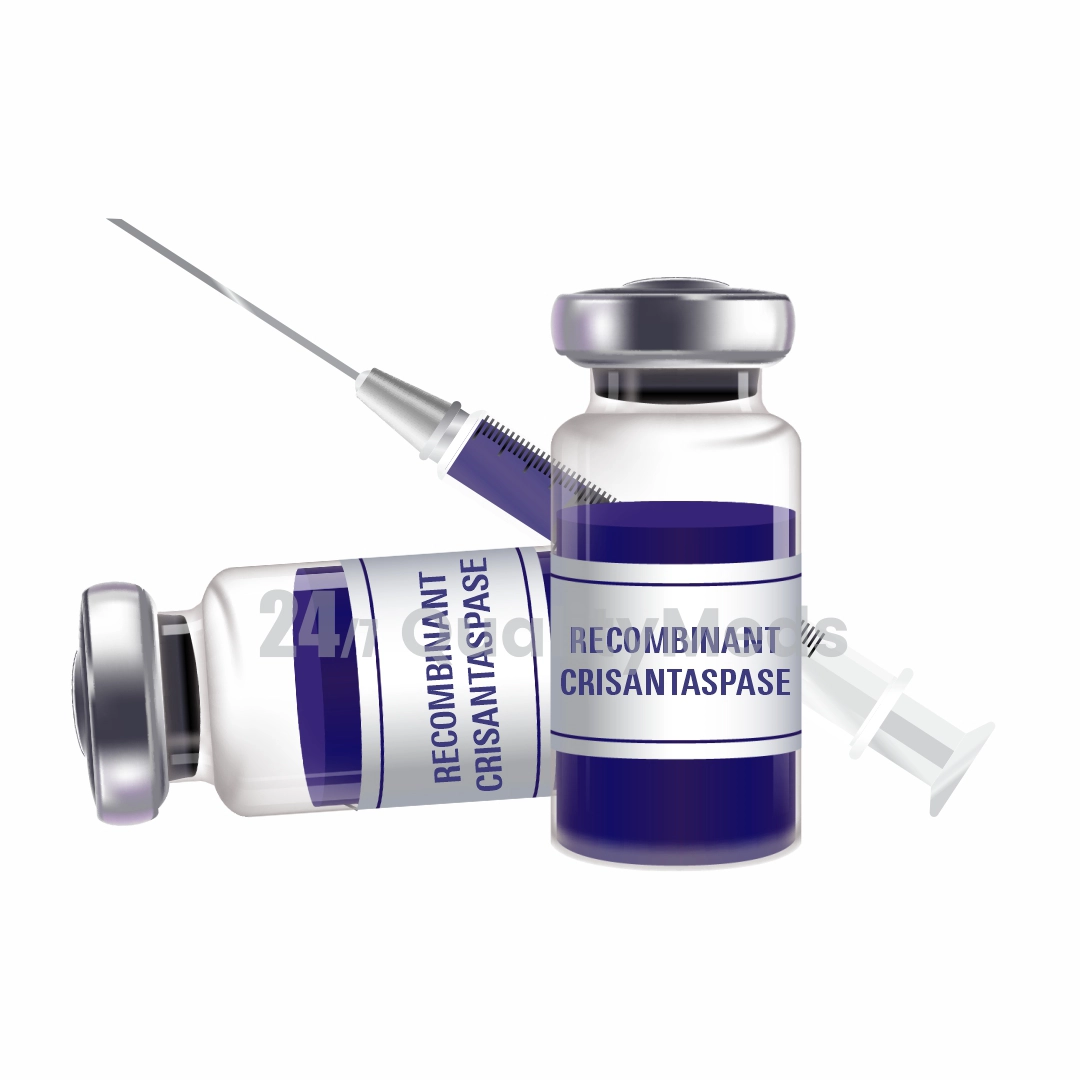
Generic Name/API:Recombinant Crisantaspase
Packaging:Enrylaze is a clear to opalescent, colourless to slightly yellow solution. Each pack contains 3 vials. One vial contains 0.5 mL solution of 10 mg of recombinant Crisantaspase.
Storage:Store in a refrigerator (2 °C–8 °C) in an upright position.
Dosage:For dosage information, please visit the General Information section.
Strength:Injection/Infusion: 10 mg/0.5 mL in a single-dose vial.
Indication:Enrylaze is indicated as a component of a multi-agent chemotherapeutic regimen for the treatment of acute lymphoblastic leukaemia (ALL) and lymphoblastic lymphoma (LBL) in adult and paediatric patients (1 month and older) who developed hypersensitivity or silent inactivation to E. coli-derived asparaginase.
Enrylaze (recombinant crisantaspase) is an antineoplastic agent indicated as a component of a multi-agent chemotherapeutic regimen for the treatment of acute lymphoblastic leukaemia (ALL) and lymphoblastic lymphoma (LBL) in adult and paediatric patients (1 month of age and older) who have developed hypersensitivity or silent inactivation to Escherichia coli (E. coli)-derived asparaginase.
Strength:
Injection/Infusion: 10 mg/0.5 mL in a single-dose vial.
Dosage:
The recommended dose of Enrylaze is 25 mg/m2 intramuscularly or intravenously given every 48 hours. Alternatively, the following Monday/Wednesday/Friday administration schedules may be used:
| Administration Schedule | Monday | Wednesday | Friday |
| Intramuscular (IM) | 25 mg/m² intramuscularly | 25 mg/m² intramuscularly | 50 mg/m² intramuscularly |
| Intravenous (IV) + Intramuscular (IM) | 25 mg/m² intravenously | 25 mg/m² intravenously | 50 mg/m² intramuscularly |
| Intravenous (IV) | 25 mg/m² intravenously | 25 mg/m² intravenously | 50 mg/m² intravenously |
Adverse Effects;
- Infections: Sepsis
- Blood and Lymphatic System Disorders: Anaemia, thrombocytopenia, neutropenia, and febrile neutropenia
- Immune System Disorders: Drug hypersensitivity, anaphylactic reaction, and hypersensitivity
- Metabolism and Nutrition Disorders: Decreased appetite, hyperglycaemia, hypoalbuminemia, hypertriglyceridemia, hypoglycaemia, and hyperammonaemia
- Psychiatric Disorders: Anxiety and irritability
- Nervous System Disorders: Headache and dizziness
- Vascular Disorders: Hypotension
- Respiratory, Thoracic and Mediastinal Disorders: Pulmonary embolism
- Gastrointestinal Disorders: Vomiting, nausea, abdominal pain, diarrhoea, and pancreatitis
- Skin and Subcutaneous Tissue Disorders: Maculopapular rash, pruritus, rash, urticaria, and erythematous rash
- Musculoskeletal and Connective Tissue Disorders: Pain in extremity
- General Disorders and Administration Site Conditions: Fatigue, pyrexia, injection site pain, and injection site reaction
- Injury, Poisoning and Procedural Complications: Contusion and infusion-related reaction
Storage:
Store in a refrigerator (2 °C–8 °C) in an upright position. Keep the vial in the outer carton in order to protect from light. Do not freeze.
- Hypersensitivity reactions:
Clinical trials have reported the occurrence of grade 3 and 4 types of hypersensitivity reactions. It may occur more frequently when treatment is administered intravenously in comparison to when treatment is administered intramuscularly. Because of the risk of serious allergic reactions, Enrylaze should be administered in a setting with resuscitation equipment and other agents necessary to treat anaphylaxis. Enrylaze should be discontinued in patients with severe hypersensitivity reactions
- Pancreatitis:
Enrylaze may cause pancreatitis.. Enrylaze should be discontinued in patients that develop necrotising or haemorrhagic pancreatitis. In the case of elevations in lipase or amylase > 2 times the ULN or symptomatic pancreatitis, Enrylaze should be withheld until the ULN and symptoms subside. After resolution of pancreatitis, treatment with Enrylaze may be resumed.
- Glucose intolerance:
Cases of glucose intolerance have been observed in patients receiving Enrylaze. Glucose levels in patients should be monitored at baseline and periodically during treatment. Insulin therapy should be administered as necessary in patients with hyperglycaemia.
- Coagulation disorders:
Thrombotic and bleeding events, including sagittal sinus thrombosis and pulmonary embolism have been reported with L-asparaginase therapy. Enrylaze treatment should be held for a thrombotic or haemorrhagic event until symptoms resolve; after resolution, treatment with Enrylaze may be resumed.
- Hepatotoxicity:
Enrylaze may cause hepatotoxicity. Bilirubin and transaminases should be monitored prior to treatment and as clinically required during treatment with Enrylaze. In the event of severe liver toxicity, treatment with Enrylaze must be discontinued and supportive care provided.
- Neurotoxicity:
Central nervous system (CNS) toxicity, including encephalopathy, seizures and CNS depression as well as posterior reversible encephalopathy syndrome (PRES) may occur during treatment with any asparaginase therapy. Symptoms of PRES essentially include elevated blood pressure, seizures, headaches, changes in mental state and acute visual impairment (primarily cortical blindness or homonymous hemianopsia). It is unclear whether the PRES is caused by asparaginase, concomitant treatment or the underlying diseases. PRES is treated symptomatically, including measures to treat any seizures. Discontinuation or dose reduction of concomitantly administered immunosuppressive medicinal products may be necessary.
FAQ
When is it recommended?
It is recommended as a component of a multi-agent chemotherapeutic regimen for the treatment of acute lymphoblastic leukaemia (ALL) and lymphoblastic lymphoma (LBL) in adult and paediatric patients (1 month and older) who developed hypersensitivity or silent inactivation to E. coli-derived asparaginase.
Who should not take this medication?
This medication is not for the following categories:
- History of severe hypersensitivity reactions to the active substance Hypersensitivity to any of the excipients
- Severe pancreatitis
- History of severe pancreatitis during previous asparaginase therapy
- Severe thrombosis during previous asparaginase therapy
- Severe haemorrhagic events during previous asparaginase therapy
What are the storage guidelines for this medicine?
- Enrylaze (recombinant crisantaspase) Intramuscular (IM) preparation: Store the prepared IM syringe at 15°C–25°C for up to 8 hours or 2°C–8°C for up to 24 hours.
- Enrylaze (recombinant crisantaspase) Intravenous (IV) preparation: Store the prepared IV infusion at 15°C–25°C for up to 12 hours or 2°C–8°C for up to 24 hours. The 24-hour storage period includes the 2-hour administration time. Storage begins once the required volume is withdrawn from the unopened vial.
What is the price of recombinant crisantaspase (Enrylaze) in India?
The price of recombinant crisantaspase (Enrylaze) Injection in India may vary depending on product availability, import-related costs, and applicable regulatory requirements. For the latest pricing details and availability, please contact 24/7 QualityMeds at +919967979080.
How to buy Recombinant Crisantaspase (Enrylaze) Injection online in India?
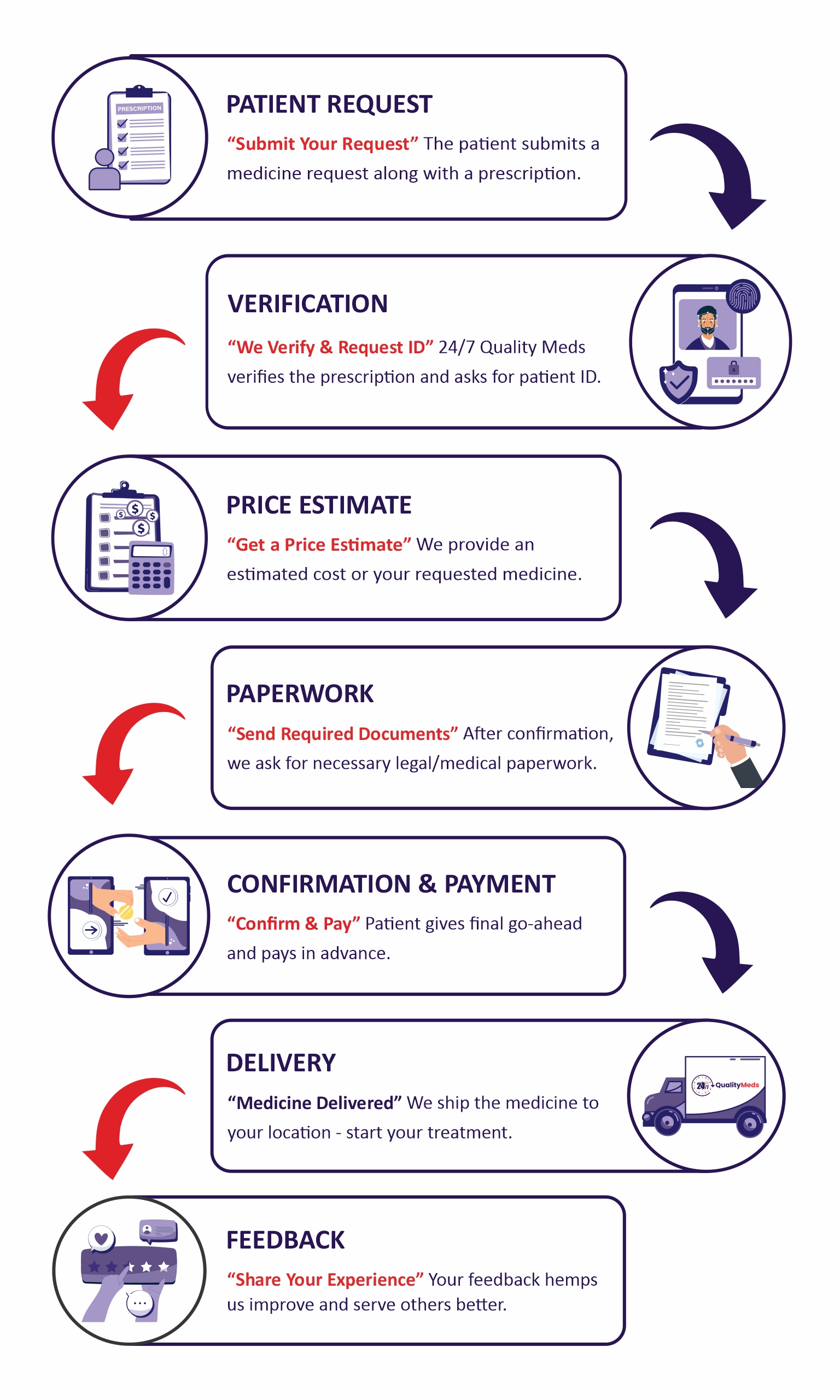
To buy recombinant crisantaspase (Enrylaze) Injection in India, a valid prescription and applicable regulatory documentation are required. 24/7 QualityMeds assists with prescription verification, import documentation, and the lawful procurement of the medicine in accordance with Indian regulations.
Where can I buy recombinant crisantaspase (Enrylaze) in Mumbai?
Buy recombinant crisantaspase (Enrylaze) in Mumbai through 24/7QualityMeds by submitting a medicine enquiry under Named Patient Program (NPP).
How can I buy recombinant crisantaspase (Enrylaze) in Delhi?
To buy recombinant crisantaspase (Enrylaze) in Delhi, you will need a valid prescription and the required regulatory documentation. 24/7 QualityMeds assists with the complete procurement process, including prescription verification, import documentation, and the delivery of the medicine in compliance with applicable regulations.