Defibrotide is an oligonucleotide mixture with profibrinolytic properties.
Defibrotide
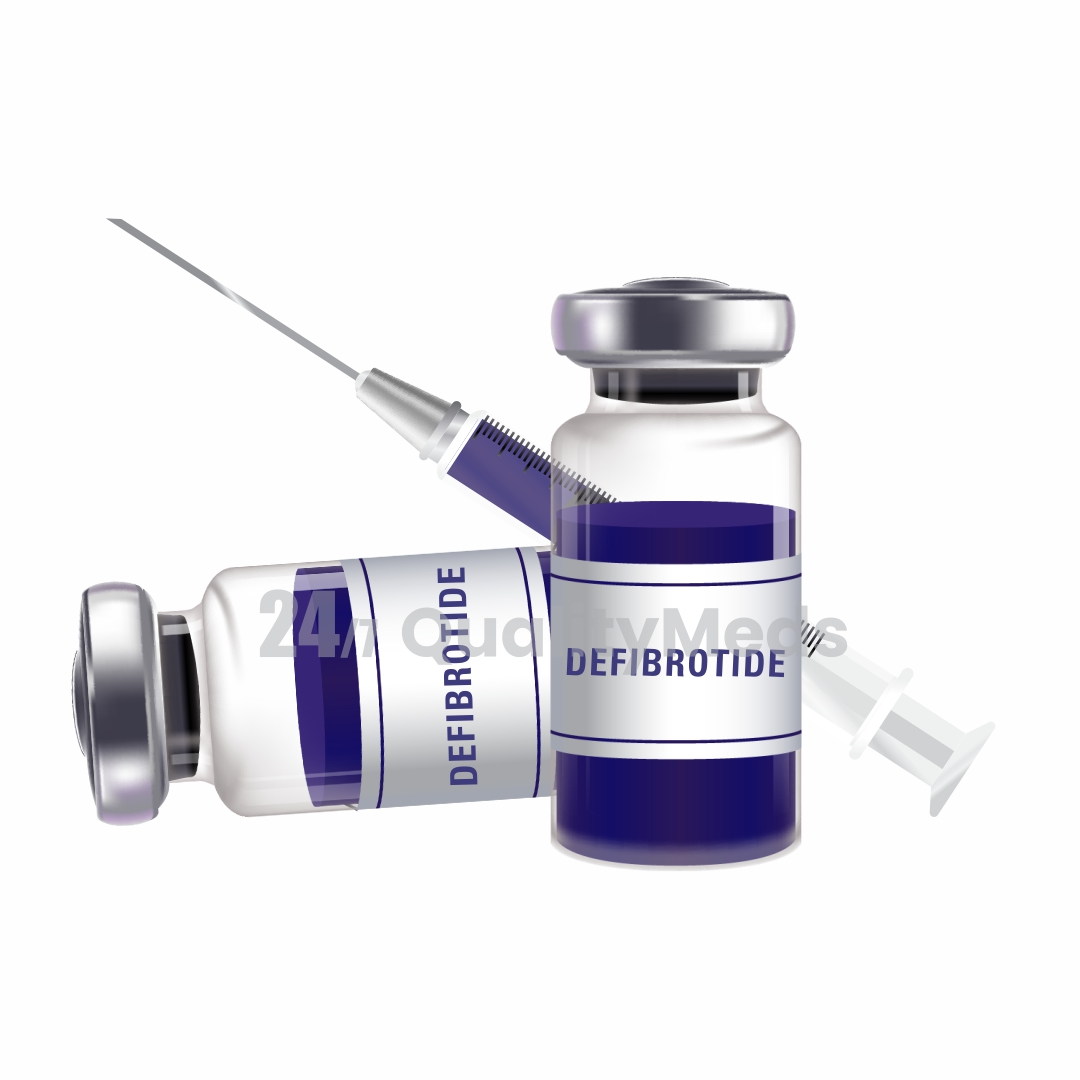
Generic Name/API:Defibrotide
Packaging:Each carton of DEFITELIO contains 10 vials. Strength: IV solution: 200 mg/2.5mL (80 mg/mL) vial
Storage:20-25°C (68-77°F)
Dosage:Recommended dosage for adult and pediatric patients: 6.25 mg/kg, every 6 hours given as a 2 hour intravenous infusion.
Strength:Injection: 200 mg/2.5 mL (80 mg/mL)
Indication:Defibrotide (marketed as Defitelio in the U.S.) is a specialized therapy approved for the treatment of hepatic veno-occlusive disease (VOD), also known as sinusoidal obstruction syndrome (SOS), in both adult and pediatric patients with renal or pulmonary dysfunction following hematopoietic stem-cell transplantation (HSCT).
- Defibrotide is the sodium salt of a mixture of single-stranded oligodeoxyribonucleotides. extracted from mammalian organs (porcine mucosal DNA), which has been developed for the treatment of a number of vascular disorders.
- It is indicated for the treatment of severe hepatic veno-occlusive disease (VOD), also known as sinusoidal obstruction syndrome (SOS), with renal or pulmonary dysfunction following hematopoietic stem-cell transplantation (HSCT).
- It is marketed under the brand names Dasovas (FM), Noravid, and Prociclide in a variety of countries. In the USA it was approved in March, 2016 as Defitelio.
- Apparently, it increases fibrinolysis and possesses antithrombotic, antiatherosclerotic and anti-ischaemic actions, probably due to its ability to selectively increase levels of prostaglandin I2 and E2 and tissue plasminogen activator while decreasing plasminogen activator inhibitor function.
- Defibrotide is available as an intravenous and intramuscular preparation, and also as an oral formulation for long term use.
STRENGTH:
Injection: 200 mg/2.5 mL (80 mg/mL) of defibrotide sodium as a clear, light yellow to brown solution in a single patient-use glass vial.
Dosage:
- Recommended dosage for adult and pediatric patients: 6.25 mg/kg, every 6 hours given as a 2 hour intravenous infusion.
SIDE EFFECTS (In order of grade of reaction)
Most common:
- Hypotension
- Diarrhoea
- Nausea
- Epistaxis
Others:
- Pulmonary alveolar and gastrointestinal hemorrhage
- Sepsis
- GVHD (Graft versus host disease)
- Lung infiltration
- Pneumonia
- Pulmonary hemorrhage
- Infection
- Intracranial hemorrhage
- Hyperuricemia
- Cerebral hemorrhage
STORAGE:
- Unopened vials: 20-25°C (68-77°F); excursions permitted between 15-30°C (59-86°F)
- No antimicrobial preservatives and vials are single-patient-use only. Partially used vials should be discarded.
- Diluted solution to be used within 4 hr if stored at room temperature or within 24 hr if refrigerated
- Hemorrhage
- The use of defibrotide sodium is contraindicated in patients being treated concurrently with anticoagulants or fibrinolytic therapies (except for routine maintenance or reopening of central venous lines) as it increases the activity of systemic anticoagulant or fibrinolytic enzymes in vitro. It may increase the risk of bleeding in patients with VOD after hematopoietic stem-cell transplantation (HSCT).
- Do not initiate DEFITELIO in patients with active bleeding and discontinue in patients who develop bleeding. Treat the underlying cause, provide supportive medical care until the bleeding has stopped .
- Monitor patients for further signs of bleeding. Delay treatment if necessary.
- Hypersensitivity Reactions
- There are reported hypersensitivity reactions to defibrotide and its excipients in less than 2% of patients under defibrotide treatment.
- These reactions include rash, urticaria and angioedema.
- Monitor patients for hypersensitivity reactions, especially those with previous history of exposure.
- In case of severe hypersensitivity reaction occurs, discontinue DEFITELIO, treat according to the standard of care.
- Monitor until symptoms resolve.
FAQ
What is defibrotide used for?
Defibrotide is used for the treatment of adult and pediatric patients with hepatic veno-occlusive disease (VOD), with renal or pulmonary dysfunction following hematopoietic stem-cell transplantation (HSCT).
What are the common side effects of defibrotide use?
The most common side effects include hypotension, diarrhoea, nausea, and epistaxis. Adverse reactions include hemorrhage and hypersensitivity reactions.
Can defibrotide be used in specific populations i.e. for pregnant, breastfeeding , pediatric and geriatric use?
Pregnancy: No adequate human data available. Animal studies suggest reduced fetal viability and implantation. Patients should be informed of the potential risk of miscarriage.
Lactation: Unknown if defibrotide is excreted in breast milk or affects milk production. Due to potential bleeding risks in infants, breastfeeding is generally not recommended.
Pediatric Use: Safety and efficacy of defibrotide are established in pediatric patients, supported by clinical trials involving infants, children, and adolescents. Outcomes were consistent with adult data.
Geriatric Use: Insufficient data in patients 65 and older to determine age-related response differences. Available clinical experience shows no notable variation from younger patients.
What are the key criteria for selecting a supplier?
Defibrotide is an oligonucleotide mixture with profibrinolytic properties.
What is defibrotide?
While selecting a supplier, we essentially ensure that the supplier holds a valis Good Distribution Practice (GDP) certificate and possess a valid operating license. These credentials confirm that the suppliers adherence to International standards for the proper distribution of medicinal product
What is the cost of defitelio (defibrotide) injection in India
The cost of defitelio (defibrotide) injection in India varies as it is not always locally available and often must be imported. Supplier availability, import duties, regulatory compliance, and currency fluctuations affect the final price. For the latest cost details, contact 24/7QualityMeds at +91 9967979080.
How to buy defitelio (defibrotide) injection online in India
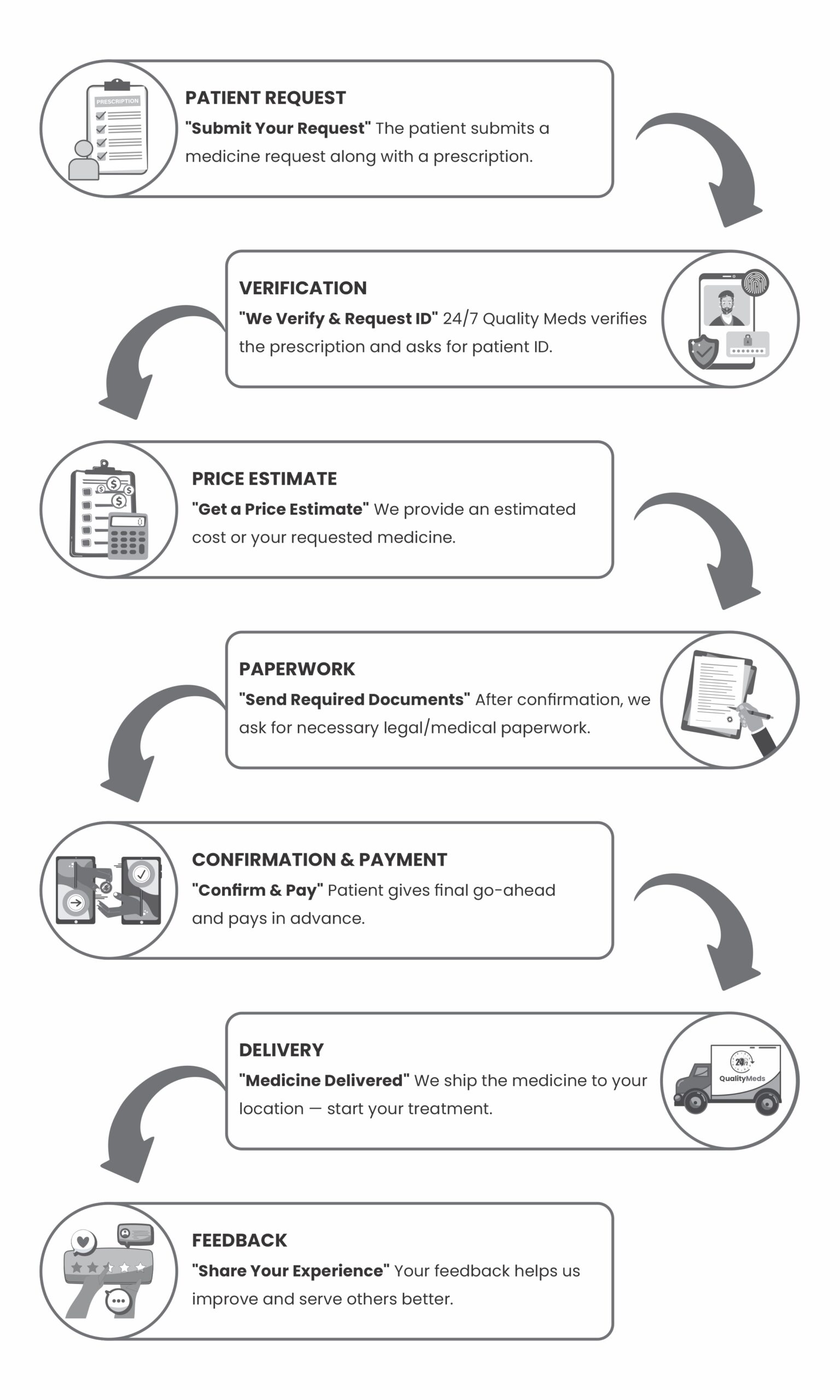
To buy defitelio (defibrotide) injection online in India at a genuine price, contact 24/7QualityMeds. We assist with prescription verification, legal import procedures, sourcing from reliable suppliers, and ensuring safe, compliant delivery.
How to buy defibrotide (Defitelio) in Delhi?
To buy defibrotide (Defitelio) in Delhi, contact 24/7QualityMeds for assistance with prescription verification, legal import procedures, certified international sourcing and secure delivery.
Where can I buy Defibrotide (Defitelio) in Mumbai?
To buy Defibrotide (Defitelio) in Mumbai, submit your request to 24/7QualityMeds along with your prescription, or call us directly at +91 9967979080.