It is recommended for adult patients with locally advanced or metastatic non-small cell lung cancer (NSCLC) with epidermal growth factor receptor (EGFR) exon 20 insertion mutations whose disease has progressed on or after platinum-based chemotherapy.
Mogamulizumab
Generic Name/API:Mogamulizumab
Packaging:Poteligeo is a sterile, preservative-free, clear to slightly opalescent colorless solution supplied in a carton containing one 20 mg/5 mL (4 mg/mL), singledose glass vial.
Storage:Store vials under refrigeration at 2°C to 8°C (36°F to 46°F) in original package to protect from light until time of use.
Dosage:For dosage information, please visit the General Information section.
Strength:Injection: 20 mg/5 mL (4 mg/mL) solution in a single-dose vial.
Indication:Poteligeo is a CC chemokine receptor type 4 (CCR4)- directed monoclonal antibody indicated for the treatment of adult patients with relapsed or refractory mycosis fungoides or Sézary syndrome after at least one prior systemic therapy.
Poteligeo is a CC chemokine receptor type 4 (CCR4)- directed monoclonal antibody indicated for:
- Treatment of adult patients with relapsed or refractory mycosis fungoides or Sézary syndrome after at least one prior systemic therapy.
Strength:
Injection: 20 mg/5 mL (4 mg/mL) solution in a single-dose vial.
Dosage:
1 mg/kg as an intravenous infusion over at least 60 minutes on days 1, 8, 15, and 22 of the first 28-day cycle and on days 1 and 15 of each subsequent cycle.
Adverse Effects:
- Rash
- Infusion related reactions
- Fatigue
- Diarrhea
- Musculoskeletal pain
- Upper respiratory tract infection
Storage:
Store vials under refrigeration at 2°C to 8°C (36°F to 46°F) in the original package to protect from light until time of use. Do not freeze. Do not shake.
- Dermatologic Toxicity
Poteligeo may cause fatal and life-threatening skin reactions including Stevens-Johnson syndrome (SJS) and toxic epidermal necrolysis (TEN). Monitor patients for rash throughout the treatment. Management includes topical corticosteroids and interruption or permanent cessation of Poteligeo. Consider skin biopsy to help distinguish drug eruption from disease progression. Discontinue Poteligeo permanently for SJS or TEN or for any life-threatening (Grade 4) reaction. For possible SJS or TEN, interrupt POTELIGEO and do not restart unless SJS or TEN is ruled out and the cutaneous reaction has resolved to Grade 1 or less.
- Infusion Reactions
The most commonly reported signs of infusion reactions include chills, nausea, fever, tachycardia, rigors, headache, and vomiting. Consider premedication (such as diphenhydramine and acetaminophen) for the first infusion of Poteligeo in all patients. Monitor patients closely for signs and symptoms of infusion reactions and interrupt the infusion for any grade reaction and treat promptly.
- Infections
Symptoms of Infections may include sepsis, pneumonia, and skin infection. Monitor patients for signs and symptoms of infection and treat promptly.
- Autoimmune Complications
Patients receiving Poteligeo may be affected with Grade 3 or higher immune-mediated or possibly immune-mediated reactions have included myositis, myocarditis, polymyositis, hepatitis, pneumonitis, and a variant of GuillainBarré syndrome. Interrupt or permanently discontinue medication as appropriate for suspected immune-mediated adverse reactions
- Complications of Allogeneic HSCT after POTELIGEO
Increased risk of occurrence of severe (Grade 3 or 4) acute graft-versus-host disease (GVHD), steroid-refractory GVHD, and transplant-related death following Poteligeo. Monitor for early evidence of transplant-related complications.
FAQ
How is this medication given?
Your healthcare provider will inject the medication into your vein through an intravenous (IV) line over at least 60 minutes. It is usually given on days 1, 8, 15, and 22 of the first 28-day cycle, then on days 1 and 15 of each 28-day cycle thereafter.
What are the most common risks of taking Poteligeo (Mogamulizumab)?
The most common risks include rash, infusion related reactions, fatigue, diarrhea, musculoskeletal pain, and upper respiratory tract infection.
Will this medicine cause any skin changes?
One of the most common skin changes that affects the individuals treated with Poteligeo. The fatal and life-threatening skin adverse reactions, include Stevens-Johnson syndrome (SJS) and toxic epidermal necrolysis (TEN).
What is the price of Mogamulizumab (Poteligeo) Injection in India?
The cost of Mogamulizumab (Poteligeo) in India may vary depending on international sourcing, currency fluctuations, import duties, and applicable charges. For the latest pricing information, contact 247QualityMeds.
How Can I Buy Mogamulizuma (Poteligeo) in Delhi?
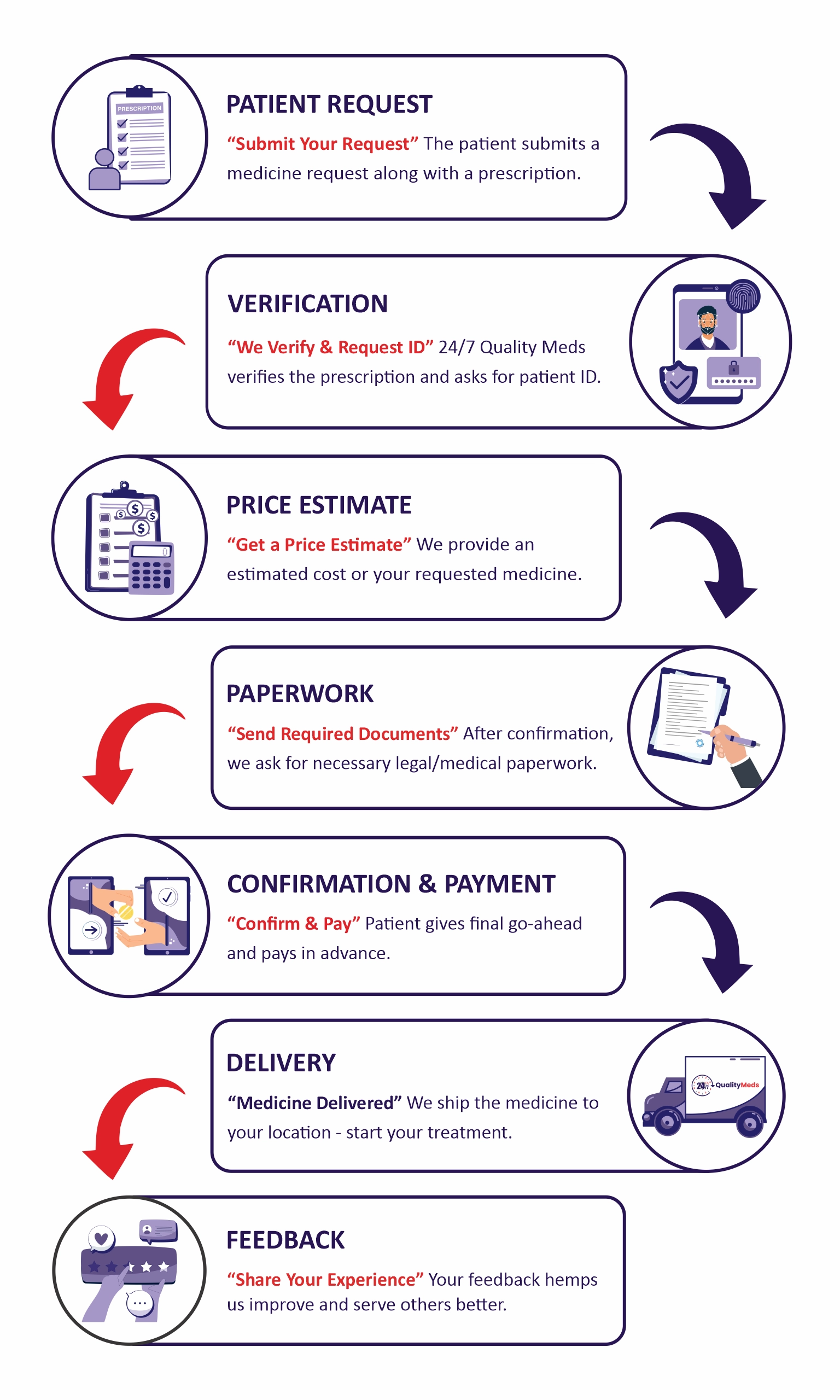
To Buy Mogamulizumab-Kpkc (Poteligeo) in Delhi, Contact 247QUALITYMEDS With a Valid Prescription. We Can Assist With the Prescription-Based Process for Obtaining the Medicine.
How to Buy Mogamulizumab-Kpkc (Poteligeo) Injection Online in India?
To buy Mogamulizumab-kpkc (Poteligeo) injection online in India, a valid prescription is required. Contact 247QualityMeds to enquire about obtaining the medicine through the applicable prescription-based process.
Where can I buy mogamulizumab (Poteligeo) in Mumbai?
Buy mogamulizumab (Poteligeo) in Mumbai through 24/7QualityMeds, which sources the medication from genuine, verified suppliers and manages the import process end to end, ensuring secure delivery.