Ilaris is primarily used to treat various chronic autoinflammatory conditions caused by an overactive immune response, such as Cryopyrin-Associated Periodic Syndromes (CAPS), Systemic Juvenile Idiopathic Arthritis (sJIA), Familial Mediterranean Fever (FMF), Tumor Necrosis Factor Receptor-Associated Periodic Syndrome (TRAPS), and Hyper-IgD Syndrome (HIDS/MKD). It’s also approved in some areas for acute gouty arthritis that doesn’t respond to other treatments.
Canakinumab
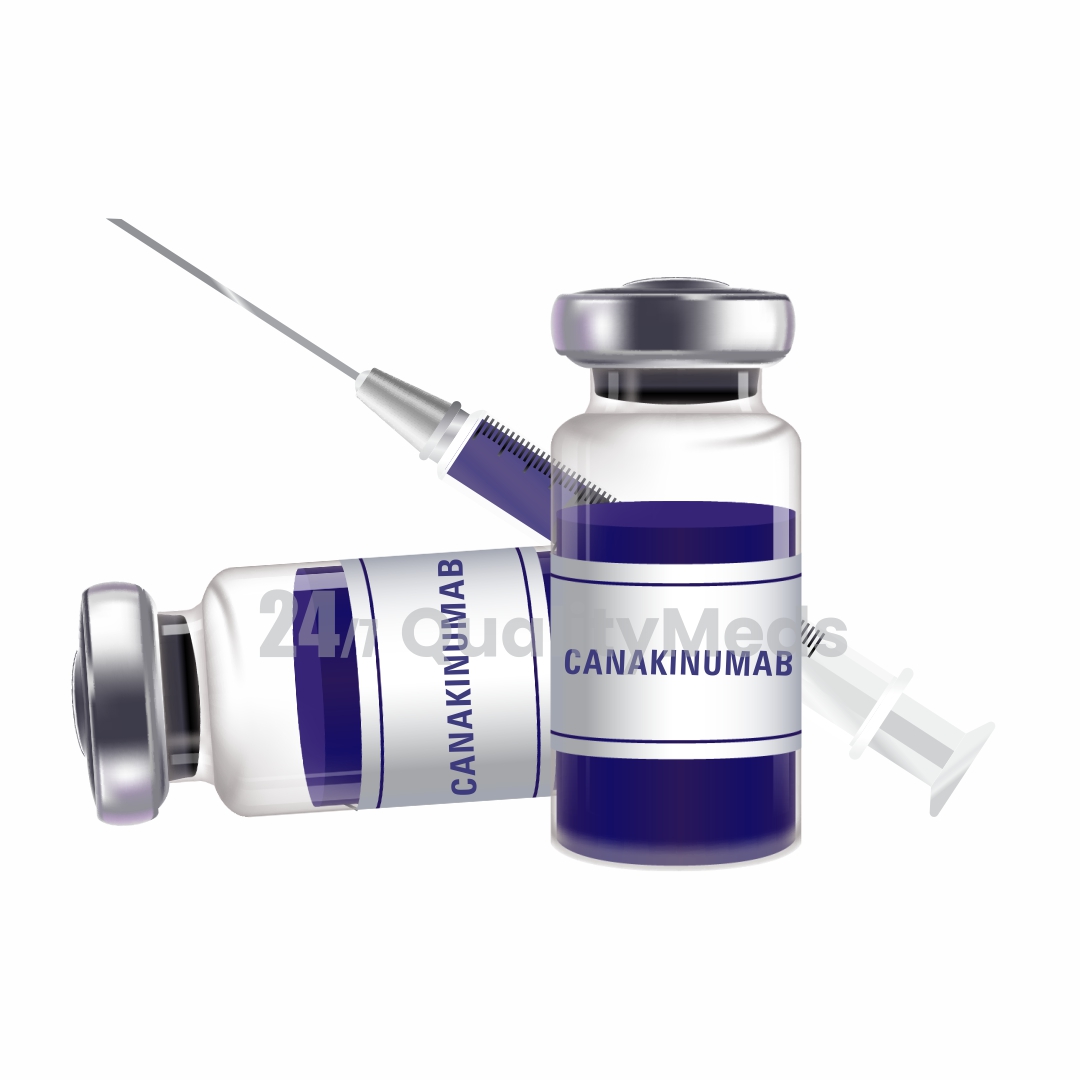
Generic Name/API:Canakinumab
Packaging:A single dose vial
Storage:Store at 2°C to 8°C (36°F to 46°F)
Dosage:For dosage information, please check the General Information section.
Strength:Injection: 150 mg/mL solution in single-dose vials
Indication:A cutting-edge prescription medication classified as a human monoclonal antibody, specifically designed to target and neutralize interleukin-1 beta (IL-1β), a key pro-inflammatory cytokine. This potent anti-inflammatory biologic is a cornerstone in the management of various rare and chronic autoinflammatory diseases
Ilaris (Canakinumab) is an interleukin-1β blocker indicated for the treatment of
- Periodic Fever Syndromes :
- Cryopyrin-Associated Periodic Syndromes (CAPS), in adults and children 4 years of age and older, including:
- Familial Cold Auto-inflammatory Syndrome (FCAS)
- Muckle-Wells Syndrome (MWS) –
- Tumor Necrosis Factor Receptor Associated Periodic Syndrome (TRAPS) in adult and pediatric patients –
- Hyperimmunoglobulin D Syndrome (HIDS)/Mevalonate Kinase Deficiency (MKD) in adult and pediatric patients
- Familial Mediterranean Fever (FMF) in adult and pediatric patients
- Cryopyrin-Associated Periodic Syndromes (CAPS), in adults and children 4 years of age and older, including:
- Active Still’s Disease, including Adult-Onset Still’s Disease (AOSD) and Systemic Juvenile Idiopathic Arthritis (SJIA) in patients 2 years of age and older
- Gout flares in adults in whom non-steroidal anti-inflammatory drugs (NSAIDs) and colchicine are contraindicated, are not tolerated, or do not provide an adequate response, and in whom repeated courses of corticosteroids are not appropriate
STRENGTH:
Injection: 150 mg/mL solution in single-dose vials
DOSAGE:
CAPS:
-
- Recommended weight-based dosage is: – For patients > 40 kg: 150 mg subcutaneously, every 8 weeks – For patients ≥ 15 kg and < 40 kg: 2 mg/kg subcutaneously, every 8 weeks. For pediatric patients 15 kg to 40 kg with an inadequate response, the dose can be increased to 3 mg/kg.
TRAPS, HIDS/MKD, and FMF :
-
- Recommended weight-based dosage is: – For patients > 40 kg: Starting dosage is 150 mg subcutaneously every 4 weeks. The dosage can be increased to 300 mg every 4 weeks if the clinical response is not adequate. (2.3) – For patients ≤ 40 kg: Starting dosage is 2 mg/kg subcutaneously every 4 weeks. The dosage can be increased to 4 mg/kg every 4 weeks if the clinical response is not adequate.
Still’s disease (AOSD and SJIA):
- Recommended weight-based dosage for patients ≥ 7.5 kg is 4 mg/kg (maximum dose of 300 mg), subcutaneously, every 4 weeks
Gout Flares:
- Recommended dosage is 150 mg subcutaneously. In patients who require re-treatment, there should be an interval of at least 12 weeks before a new dose of Ilaris may be administered.
ADVERSE EFFECTS:
- Nasopharyngitis
- Diarrhea
- Influenza
- Rhinitis
- Nausea
- Headache
- Bronchitis
- Gastroenteritis
- Pharyngitis
- Weight increased
- Musculoskeletal pain
- Vertigo
STORAGE :
- Store at 2°C to 8°C (36°F to 46°F)
- Serious Infections :
Ilaris has been associated with an increased risk of serious infections. Isolated cases of unusual or opportunistic infections (e.g., aspergillosis, atypical mycobacterial infections, cytomegalovirus, herpes zoster) were reported during Ilaris treatment.
- Immunosuppression:
The impact of treatment with anti-interleukin-1 (IL-1) therapy on the development of malignancies is not known. However, treatment with immunosuppressants, including Ilaris, may result in an increase in the risk of malignancies.
- Hypersensitivity:
Hypersensitivity reactions have been reported with Ilaris therapy. During clinical trials, no anaphylactic reactions attributable to treatment with canakinumab have been reported. It should be recognized that symptoms of the underlying disease being treated may be similar to symptoms of hypersensitivity.
- Macrophage Activation Syndrome:
Macrophage activation syndrome (MAS) is a known, life-threatening disorder that may develop in patients with rheumatic conditions, in particular Still’s disease, and should be aggressively treated.
FAQ
How does Ilaris (Canakinumab) work?
Ilaris works by targeting and blocking a specific protein in the body called interleukin-1 beta (IL-1β). IL-1β is a key cytokine (a type of protein) that plays a major role in triggering and sustaining inflammation. By neutralizing IL-1β, Ilaris helps to reduce the widespread inflammation and related symptoms associated with these diseases.
How is Ilaris administered?
Ilaris is given as a subcutaneous (under the skin) injection. Depending on the condition and your doctor’s instructions, it may be administered by a healthcare professional or, after proper training, can be self-administered at home.
Is Ilaris a cure for these conditions?
No, Ilaris is not a cure for autoinflammatory diseases. It is a long-term treatment designed to manage symptoms, reduce inflammation, prevent disease flares, and improve the patient’s quality of life. Treatment often needs to be ongoing to maintain its benefits.
What are some common side effects of Ilaris?
Common side effects can include injection site reactions (such as redness, swelling, or pain), upper respiratory tract infections (like a common cold), influenza (flu), and stomach pain or nausea. Because Ilaris affects the immune system, there is an increased risk of serious infections. Your doctor will monitor you closely for any signs of infection.
Who should not take Ilaris?
Individuals with an active, serious infection should generally not start Ilaris. Also, those with a known allergy or hypersensitivity to Canakinumab or any of its ingredients should avoid this medication. It’s crucial to discuss your full medical history and all current medications with your healthcare provider before starting Ilaris.
What is the cost of Canakinumab (Ilaris) injection in India?
The cost of Canakinumab (Ilaris) Injection in India varies since it is not locally approved and must be imported. Supplier availability, import duties, and currency fluctuations affect the final price. For the latest cost details, contact 24/7QualityMeds at +91 9967979080.
How to buy Canakinumab (Ilaris) injection online in India?
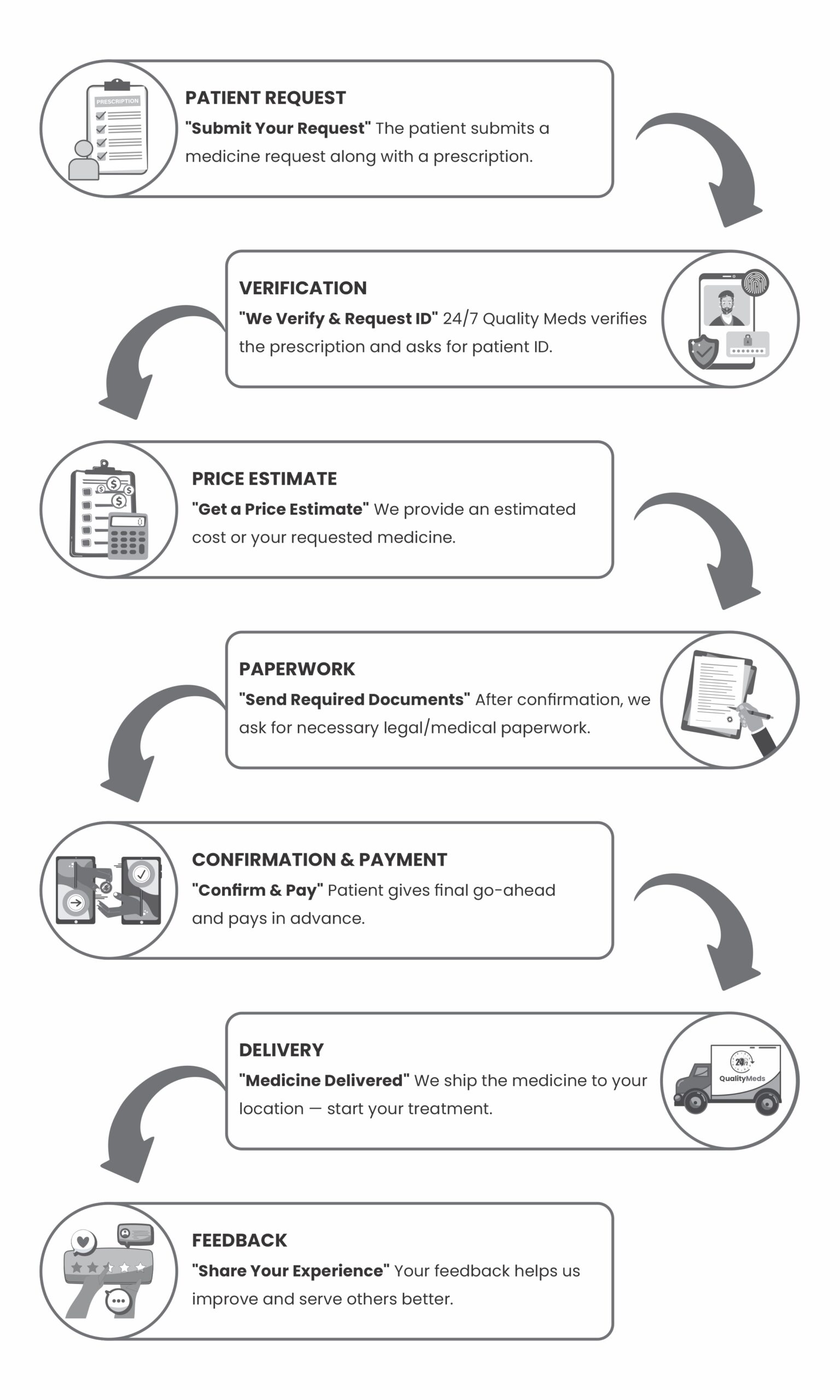
To buy Canakinumab (Ilaris) injection in India at a genuine price, contact 24/7QualityMeds. We assist with prescription verification, legal import procedures, sourcing from certified suppliers, and safe delivery—all to help you place your order confidently.
What are the key criteria for selecting a supplier?
While selecting a supplier, we essentially ensure that the supplier holds a valid Good Distribution Practice (GDP) certificate and possesses a valid operating license. These credentials confirm that the suppliers adherence to International standards for the proper distribution of medicinal product.
How to buy canakinumab (Ilaris) in Delhi?
To buy canakinumab (Ilaris) in Delhi, share your requirements with 24/7QualityMeds. Once the prescription is reviewed by our team, we coordinate the legal import process and arrange safe delivery to your location.
Where can I buy canakinumab (Ilaris) in Mumbai?
24/7QualityMeds makes canakinumab (Ilaris) accessible to patients across Mumbai by sourcing it through verified international source, so the process moves quickly once your prescription is with us.