Enrylaze is an anticancer medicine used with other chemotherapy medicines to treat acute lymphoblastic leukaemia (ALL) and lymphoblastic lymphoma (LBL) in adults and children aged 1 month and older who have developed hypersensitivity or silent inactivation to E. coli-derived asparaginase.
Recombinant Crisantaspase
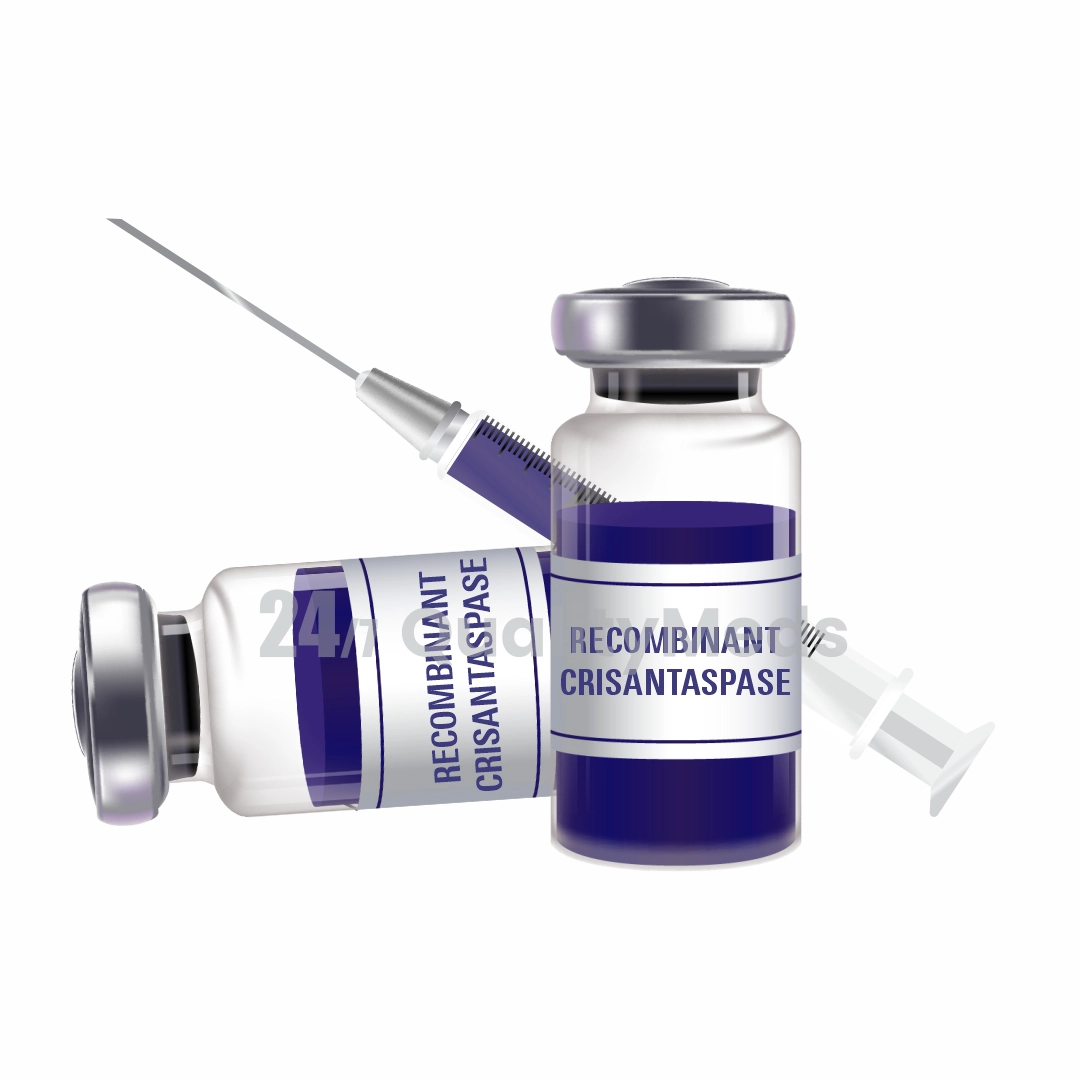
Generic Name/API:Recombinant Crisantaspase
Packaging:Enrylaze is a clear to opalescent, colourless to slightly yellow solution. Each pack contains 3 vials. One vial contains 0.5 mL solution of 10 mg of recombinant Crisantaspase.
Storage:Store in a refrigerator (2 °C–8 °C) in an upright position.
Dosage:For dosage information, please visit the General Information section.
Strength:Injection/Infusion: 10 mg/0.5 mL in a single-dose vial.
Indication:Enrylaze is indicated as a component of a multi-agent chemotherapeutic regimen for the treatment of acute lymphoblastic leukaemia (ALL) and lymphoblastic lymphoma (LBL) in adult and paediatric patients (1 month and older) who developed hypersensitivity or silent inactivation to E. coli-derived asparaginase.
Enrylaze (recombinant crisantaspase) is an antineoplastic agent indicated as a component of a multi-agent chemotherapeutic regimen for the treatment of acute lymphoblastic leukaemia (ALL) and lymphoblastic lymphoma (LBL) in adult and paediatric patients (1 month of age and older) who have developed hypersensitivity or silent inactivation to Escherichia coli (E. coli)-derived asparaginase.
Strength:
Injection/Infusion: 10 mg/0.5 mL in a single-dose vial.
Dosage:
The recommended dose of Enrylaze is 25 mg/m2 intramuscularly or intravenously given every 48 hours. Alternatively, the following Monday/Wednesday/Friday administration schedules may be used:
| Administration Schedule | Monday | Wednesday | Friday |
| Intramuscular (IM) | 25 mg/m² intramuscularly | 25 mg/m² intramuscularly | 50 mg/m² intramuscularly |
| Intravenous (IV) + Intramuscular (IM) | 25 mg/m² intravenously | 25 mg/m² intravenously | 50 mg/m² intramuscularly |
| Intravenous (IV) | 25 mg/m² intravenously | 25 mg/m² intravenously | 50 mg/m² intravenously |
Adverse Effects;
- Infections: Sepsis
- Blood and Lymphatic System Disorders: Anaemia, thrombocytopenia, neutropenia, and febrile neutropenia
- Immune System Disorders: Drug hypersensitivity, anaphylactic reaction, and hypersensitivity
- Metabolism and Nutrition Disorders: Decreased appetite, hyperglycaemia, hypoalbuminemia, hypertriglyceridemia, hypoglycaemia, and hyperammonaemia
- Psychiatric Disorders: Anxiety and irritability
- Nervous System Disorders: Headache and dizziness
- Vascular Disorders: Hypotension
- Respiratory, Thoracic and Mediastinal Disorders: Pulmonary embolism
- Gastrointestinal Disorders: Vomiting, nausea, abdominal pain, diarrhoea, and pancreatitis
- Skin and Subcutaneous Tissue Disorders: Maculopapular rash, pruritus, rash, urticaria, and erythematous rash
- Musculoskeletal and Connective Tissue Disorders: Pain in extremity
- General Disorders and Administration Site Conditions: Fatigue, pyrexia, injection site pain, and injection site reaction
- Injury, Poisoning and Procedural Complications: Contusion and infusion-related reaction
Storage:
Store in a refrigerator (2 °C–8 °C) in an upright position. Keep the vial in the outer carton in order to protect from light. Do not freeze.
- Hypersensitivity reactions:
Clinical trials have reported the occurrence of grade 3 and 4 types of hypersensitivity reactions. It may occur more frequently when treatment is administered intravenously in comparison to when treatment is administered intramuscularly. Because of the risk of serious allergic reactions, Enrylaze should be administered in a setting with resuscitation equipment and other agents necessary to treat anaphylaxis. Enrylaze should be discontinued in patients with severe hypersensitivity reactions
- Pancreatitis:
Enrylaze may cause pancreatitis.. Enrylaze should be discontinued in patients that develop necrotising or haemorrhagic pancreatitis. In the case of elevations in lipase or amylase > 2 times the ULN or symptomatic pancreatitis, Enrylaze should be withheld until the ULN and symptoms subside. After resolution of pancreatitis, treatment with Enrylaze may be resumed.
- Glucose intolerance:
Cases of glucose intolerance have been observed in patients receiving Enrylaze. Glucose levels in patients should be monitored at baseline and periodically during treatment. Insulin therapy should be administered as necessary in patients with hyperglycaemia.
- Coagulation disorders:
Thrombotic and bleeding events, including sagittal sinus thrombosis and pulmonary embolism have been reported with L-asparaginase therapy. Enrylaze treatment should be held for a thrombotic or haemorrhagic event until symptoms resolve; after resolution, treatment with Enrylaze may be resumed.
- Hepatotoxicity:
Enrylaze may cause hepatotoxicity. Bilirubin and transaminases should be monitored prior to treatment and as clinically required during treatment with Enrylaze. In the event of severe liver toxicity, treatment with Enrylaze must be discontinued and supportive care provided.
- Neurotoxicity:
Central nervous system (CNS) toxicity, including encephalopathy, seizures and CNS depression as well as posterior reversible encephalopathy syndrome (PRES) may occur during treatment with any asparaginase therapy. Symptoms of PRES essentially include elevated blood pressure, seizures, headaches, changes in mental state and acute visual impairment (primarily cortical blindness or homonymous hemianopsia). It is unclear whether the PRES is caused by asparaginase, concomitant treatment or the underlying diseases. PRES is treated symptomatically, including measures to treat any seizures. Discontinuation or dose reduction of concomitantly administered immunosuppressive medicinal products may be necessary.
FAQ
How is Enrylaze Injection administered?
Enrylaze can be administered through intramuscular injection or intravenous infusion. The prescribed dose and treatment schedule depend on the patient’s clinical condition and chemotherapy regimen. Administration must be supervised by qualified healthcare professionals.
Who may require Enrylaze treatment?
Enrylaze may be prescribed to adults and children aged 1 month and older with ALL or LBL who have developed hypersensitivity or silent inactivation to E. coli-derived asparaginase. Treatment decisions depend on the patient’s diagnosis, previous treatment and clinical assessment by a specialist.
What is the strength and packaging of Enrylaze injection in India?
Enrylaze injection in India refers to recombinant crisantaspase supplied as a 10 mg/0.5 mL solution in a single-dose vial. The product information describes a pack containing three vials. Patients and healthcare professionals should verify the actual product presentation before proceeding.
What are the important precautions associated with Recombinant Crisantaspase in India?
Recombinant Crisantaspase in India should be considered within a specialist-supervised treatment plan. Important risks include hypersensitivity reactions, pancreatitis, blood clots, bleeding, liver toxicity and changes in blood glucose levels. Appropriate monitoring is necessary during treatment.
What should patients know before they Buy Recombinant Crisantaspase in India?
Before proceeding to Buy Recombinant Crisantaspase in India, patients and healthcare professionals should verify the product strength, manufacturer details, batch number, expiry date, packaging and storage requirements. A valid prescription and applicable import documentation may also be necessary.
How can patients Buy Enrylaze in India?
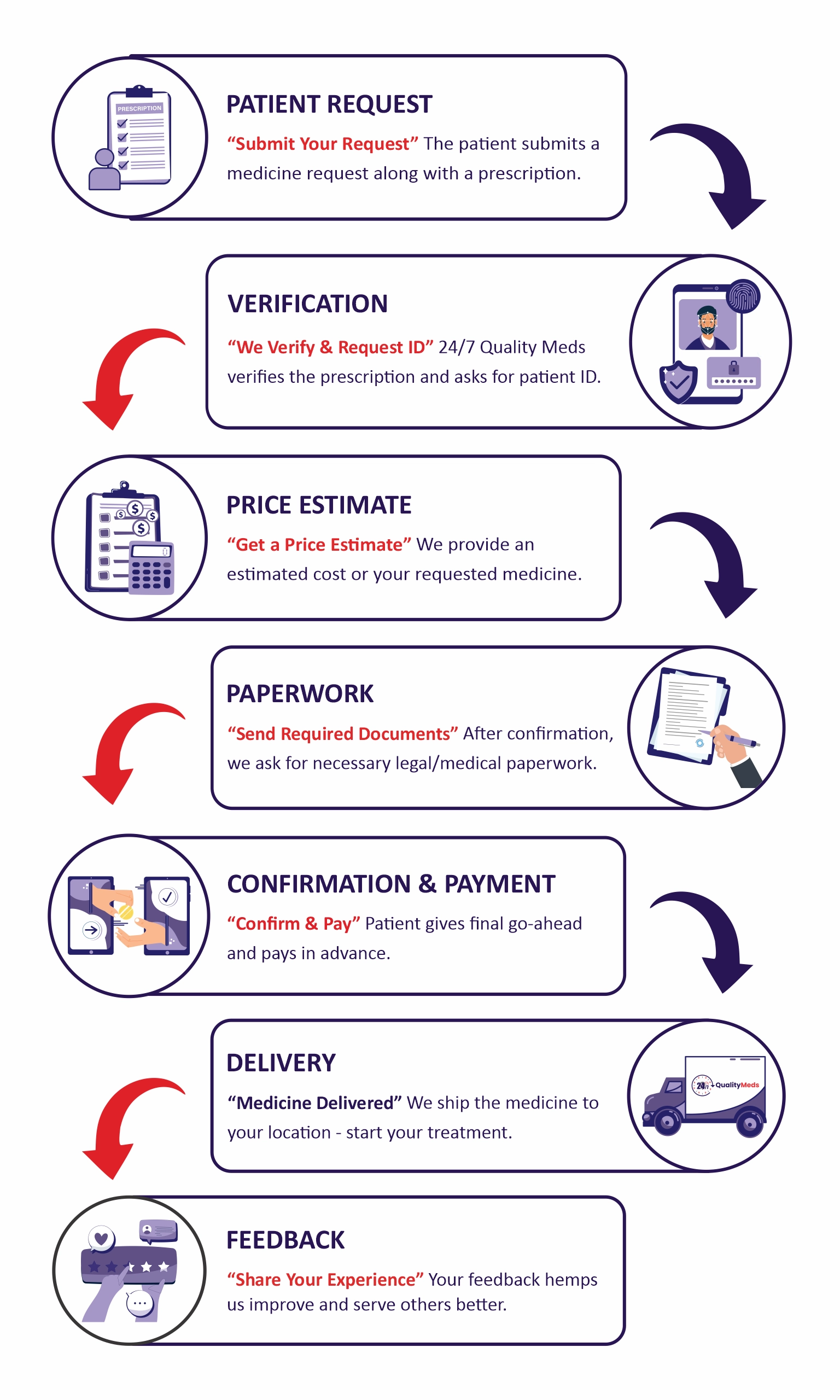
Patients and caregivers looking to Buy Enrylaze in India can contact 24/7QualityMeds to enquire about product availability and sourcing requirements. A valid prescription and relevant medical documentation may be required. Any access arrangement is subject to applicable import regulations and permissions.
What is the price of Enrylaze Injection in India?
The price of Enrylaze in India may vary depending on the product presentation, sourcing arrangements, currency exchange rates, shipping and applicable import charges. Patients and healthcare professionals can contact 24/7QualityMeds at +91-9967979080 to enquire about current pricing, availability and documentation requirements. A valid prescription may be required for an individual-patient access enquiry.
Can I Buy Enrylaze in Delhi?
Patients and healthcare professionals looking to Buy Enrylaze in Delhi can contact 24/7QualityMeds to enquire about current availability, prescription requirements and individual-patient sourcing options. Any access request is subject to applicable import regulations and required permissions.
How can I Buy Enrylaze in Mumbai?
To enquire about Enrylaze in Mumbai, patients and caregivers can call 24/7QualityMeds at +91-9967979080. The team can provide information about pricing, product availability and documentation requirements. Access depends on sourcing arrangements and applicable regulatory permissions.