KRAZATI is a prescription medicine used in adults either alone to treat non-small cell lung cancer (NSCLC) and in combination with a medicine called cetuximab to treat colon or rectal cancer (CRC). Your oncologist will perform a test to make sure that Krazati is right for you.
Adagrasib
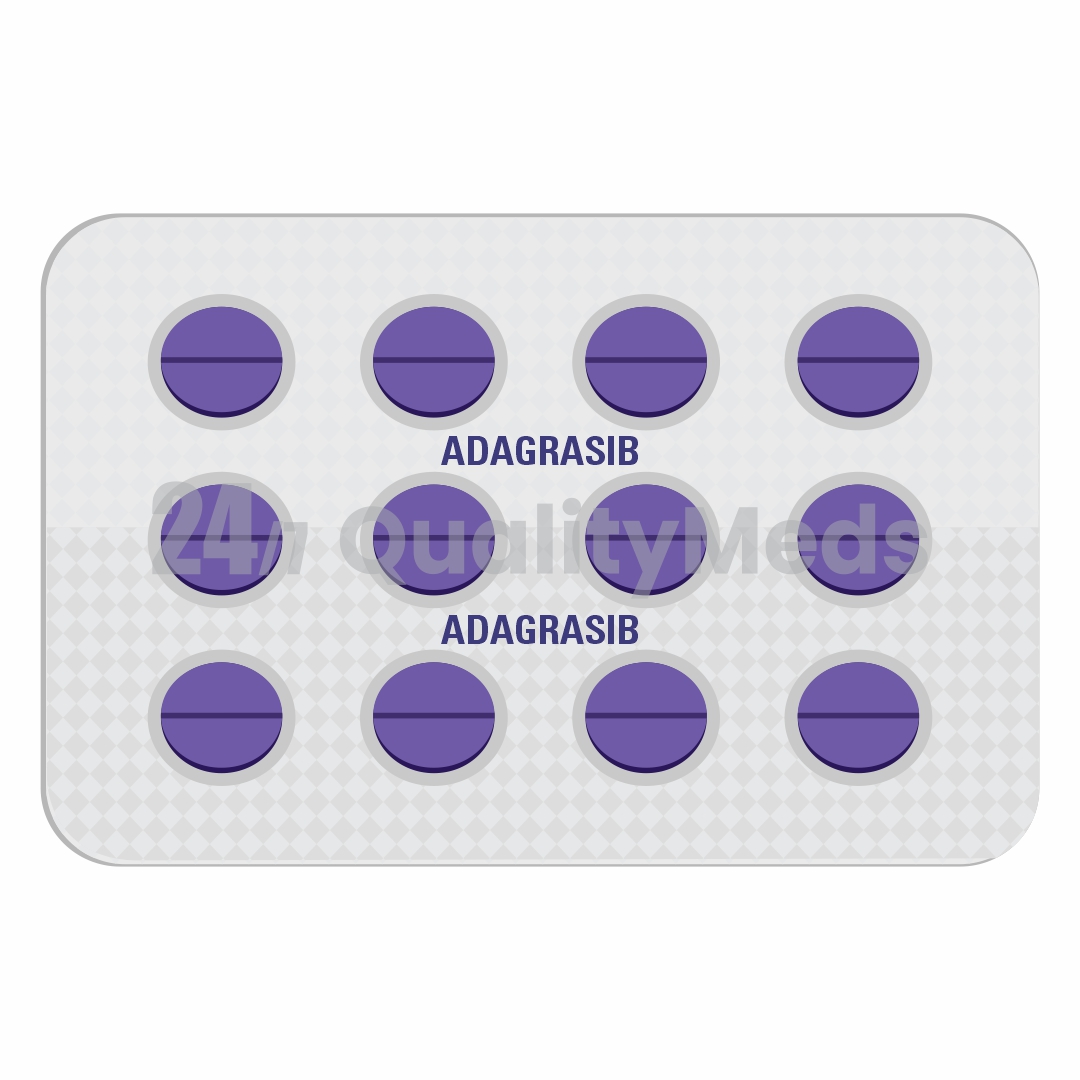
Generic Name/API:Adagrasib
Packaging:Bottle of 180 tablets
Storage:Store at 20°C to 25°C.
Dosage:The recommended dosage as a single agent for Non-Small Cell Lung Cancer (NSCLC) and in combination with cetuximab for Colorectal Cancer (CRC): 600 mg orally twice daily.
Strength:200 mg Tablets
Indication:Krazati is a targeted therapy used for treating adults with Non-Small Cell Lung Cancer (NSCLC) and Colorectal Cancer (CRC) with an abnormal KRAS G12C gene. Adagrasib in Krazati binds to the altered protein (the abnormal KRAS G12C gene) in cancer cells and inhibits cancer growth.
Krazati (Adagrasib) is an inhibitor of the RAS GTPase family indicated for:
Non-small cell lung cancer (NSCLC)
- As a single agent, for the treatment of adult patients with KRAS G12C-mutated locally advanced or metastatic NSCLC, as detected by an FDA-approved test, who have received at least one prior systemic therapy.
Colorectal cancer (CRC)
- In combination with cetuximab, for the treatment of adult patients with KRAS G12C-mutated locally advanced or metastatic CRC, as determined by an FDA-approved test, who have received prior treatment with fluoropyrimidine-, oxaliplatin-, and irinotecan-based chemotherapy.
These indications are approved under accelerated approval based on objective response rate (ORR) and duration of response (DOR). Continued approval for these indications may be contingent upon verification and description of a clinical benefit in confirmatory trials.
Strength:
Tablets: 200 mg.
Dosage:
The recommended dosage as a single agent for Non-Small Cell Lung Cancer (NSCLC) and in combination with cetuximab for Colorectal Cancer (CRC): 600 mg orally twice daily.
Adverse Effects:
- Interstitial Lung Disease / Pneumonitis (lung disease): Interstitial Lung disease can be fatal.
- Hepatotoxicity (Liver Problems): Elevated liver enzymes (alanine aminotransferase, aspartate aminotransferase, and alkaline phosphatase. This may lead to drug-induced liver injury and hepatitis.
- QTc interval prolongation (heart disease): symptoms like ventricular tachyarrhythmias (e.g., torsades de pointes) or sudden death can occur.
- Gastrointestinal tract problems: symptoms like nausea, vomiting, and diarrhoea.
Side Effects:
Single-agent use in non-small cell lung cancer (NSCLC): The most common side effects are listed below:
- Nausea, diarrhea, vomiting: Digestive tract-related issues are common.
- Fatigue: Feeling unusually tired.
- Musculoskeletal pain: Pain in muscles, bones, tendons, and ligaments.
- Hepatotoxicity: Liver damage.
- Renal impairment: Slight reduction in kidney function
- Edema: Swelling in the parts of the body.
- Dyspnea: Shortness of breath.
- Decreased appetite: Not feeling hungry.
- Decreased lymphocytes, increased leukocytes, decreased neutrophils: Variant levels of white blood cells
- Decreased hemoglobin: Low levels of red blood cells
- Increased alanine aminotransferase, increased aspartate aminotransferase, and increased alkaline phosphatase: an increase in blood levels of liver enzymes.
- Hypokalemia and hyponatremia: These are due to electrolyte imbalance.
- Increased lipase: It indicates an underlying issue in the pancreas, kidney, or salivary glands.
In combination with cetuximab: The most common side effects are:
- Rash
- Nausea, diarrhea, vomiting, abdominal pain, decreased appetite: Digestive tract-related issues are common.
- Fatigue: Feeling unusually tired.
- Musculoskeletal pain: Pain in muscles, bones, tendons, and ligaments.
- Hepatotoxicity: Liver damage.
- Headache: Common discomfort.
- Dry skin: Various areas of skin.
- Edema: Swelling in the parts of the body.
- Anemia: Reduced amounts of red blood cells.
- Cough: Respiratory symptom.
- Decreased lymphocytes: Reduced amounts of white blood cells.
- Decreased potassium and decreased magnesium: Electrolyte imbalance in blood.
- Decreased hemoglobin: Reduced amounts of red blood cells.
- Increased aspartate aminotransferase and increased alanine aminotransferase:
- Increased lipase: A digestive metabolism problem.
- Decreased albumin: A reduction of albumin in the blood.
Storage:
(20°C to 25°C).
- Gastrointestinal Adverse Reactions: Krazati can cause gastrointestinal side effects like nausea, diarrhoea, and vomiting
- Heart problem (QTc interval Prolongation): Krazati can cause QTc interval prolongation can increase the risk of ventricular tachyarrhythmias or sudden death.
- Liver problems (Hepatotoxicity): This hepatotoxicity caused due to Krazati may lead to drug-induced liver injury and hepatitis.
- Lung disease (Interstitial Lung Disease / Pneumonitis): Krazati may cause Interstitial Lung Disease / Pneumonitis. Symptoms include dyspnea, cough, and fever.
FAQ
What is Krazati (Adagrasib) and whom does it treat?
KRAZATI is a prescription medicine used in adults either alone to treat non-small cell lung cancer (NSCLC) and in combination with a medicine called cetuximab to treat colon or rectal cancer (CRC). Your oncologist will perform a test to make sure that Krazati is right for you.
What is the role of Krazati in fighting cancer?
Krazati is a targeted therapy used for treating adults with Non-Small Cell Lung Cancer (NSCLC) and Colorectal Cancer (CRC) with an abnormal KRAS G12C gene. The abnormal KRAS G12C causes cancer cells to grow in the body. Adagrasib in Krazati binds to the altered protein (abnormal KRAS G12C gene) in cancer cells and inhibits cancer cell growth.
Is Krazati taken alone or with other drugs?
Krazati is taken alone to treat non-small cell lung cancer (NSCLC) whereas it is taken in combination with cetuximab to treat Colon or Rectal Cancer (CRC).
How is Krazati typically dosed and supplied?
The recommended dosage for Krazati is as a single agent for Non-Small Cell Lung Cancer (NSCLC) and in combination with cetuximab for Colorectal Cancer (CRC): 600 mg orally twice daily. It is supplied in 200mg tablets. Your doctor will decide the dose based on your condition and response to treatment.
What are the most common side effects of Krazati?
Common side effects when used alone in NSCLC include Nausea, diarrhea, vomiting, fatigue, Musculoskeletal pain, kidney problem, edema, shortness of breath, and decreased appetite. In combination with cetuximab: The most common side effects are rash, nausea, diarrhea, vomiting, abdominal pain, decreased appetite, fatigue, musculoskeletal pain.
What are the serious side effects I should know?
Serious side effects can include heart problems (QTc interval Prolongation), lung disease (Interstitial Lung Disease / Pneumonitis), liver problems (Hepatotoxicity), and gastrointestinal diseases. Make sure you report any unusual symptoms to your doctor immediately.
What should I do if I experience side effects?
Always inform your healthcare team or your physician about any side effects you experience, even if they are small attacks. They can handle the symptom and adjust your dose accordingly or determine if immediate medical attention is required for more serious attacks. Do not increase or decrease your dose or stop taking Krazati without the permission of your doctor.
Will I need special monitoring while on MEKTOVI?
Yes, Offcourse, monitoring is necessary for the patient who takes Krazati. They should often include regular blood tests (to check liver enzymes, CPK, blood cell counts), lung tests (chest X-rays, C+ scans), and heart function tests (like echocardiograms) to monitor for potential side effects.
What is Krazati (Adagrasib) and whom does it treat?
While selecting a supplier, we essentially ensure that the supplier holds a valid Good Distribution Practice (GDP) certificate and possesses a valid operating license. These credentials confirm that the supplier’s adherence to international standards for the proper distribution of medicinal products.
What is the Krazati (Adagrasib) tablets price in India?
The price of Krazati (Adagrasib) price in India differs as it is not locally marketed and must be procured through authorized international channels. Pricing depends on supplier stock, global market rates, and import-related charges. For the most accurate and updated price, contact 24/7QualityMeds at +91 9967979080.
How to buy Krazati (Adagrasib) tablets online in India?
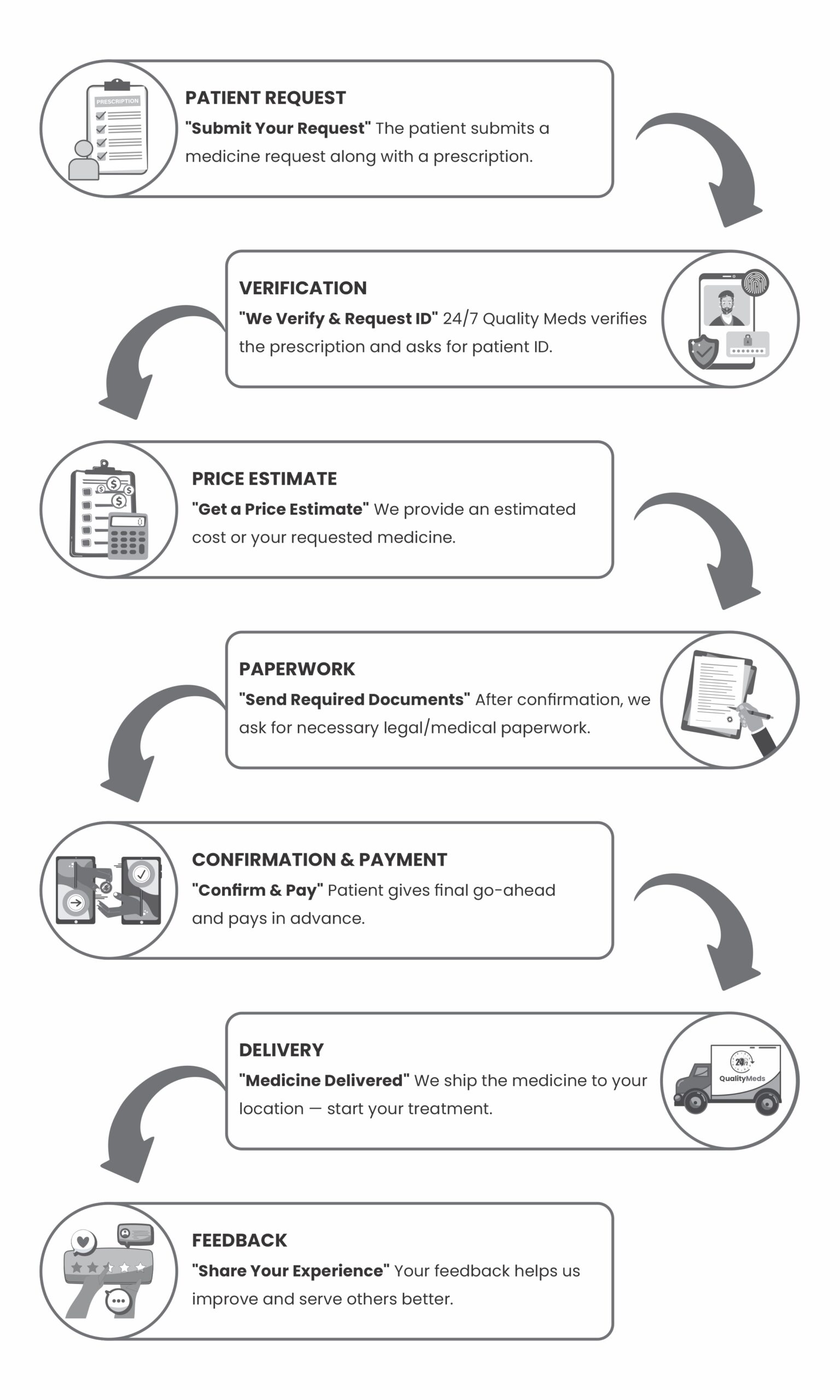
To buy Krazati (Adagrasib) tablets online in India at a genuine price, get in touch with 24/7QualityMeds. Our team guides patients through the lawful procurement process and ensures secure, compliant delivery from verified global sources
How to buy Adagrasib (Krazati) in Delhi?
To buy Adagrasib (Krazati) in Delhi, contact 24/7QualityMeds. Following prescription review, we coordinate every step required to help you receive the medication.
Where can I buy Adagrasib (Krazati) in Mumbai?
24/7QualityMeds makes Adagrasib (Krazati) accessible to patients across Mumbai by sourcing it through verified international suppliers, so the process moves quickly once your prescription is with us.