TRUQAP or capivasertib is a serine/threonine kinase inhibitor which blocks enzymatic activity of serine/threonine kinase AKT 1, 2, and 3, which play a role in proliferation of cancer cells with mutations in PIK3CA, AKT1 or PTEN genes. Thus, it will reduce the growth of cancer cells.
Capivasertib
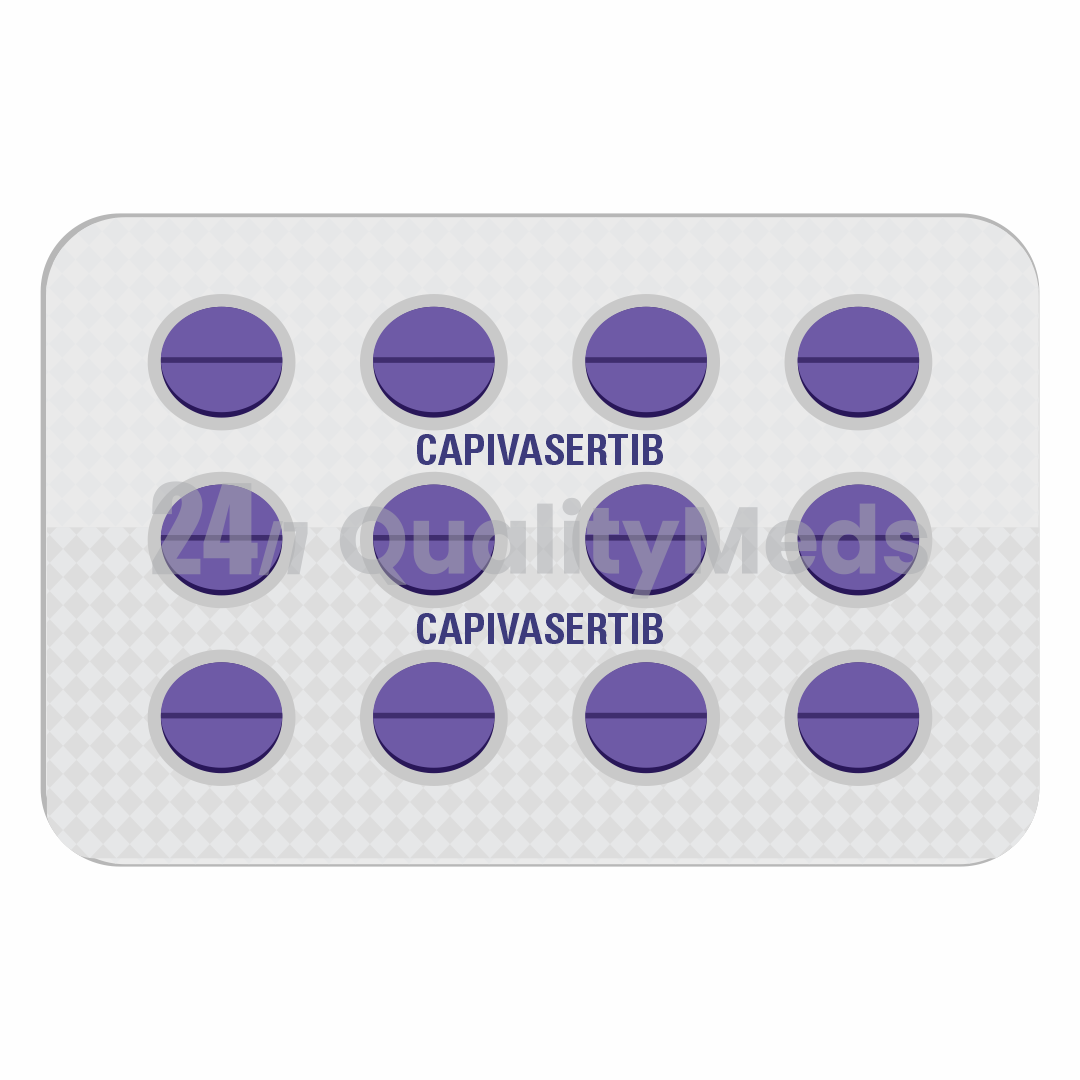
Generic Name/API:Capivasertib
Packaging:64 film coated tablets, each 160 mg or 200mg
Storage:20°C to 25°C (68°F to 77°F).
Dosage:For dosage information, please check the General Information section.
Strength:Each tablet: 160 mg or 200 mg
Indication:Capivasertib is a kinase inhibitor, taken in combination with fulvestrant to treat HR+/HER- locally advanced or metastatic breast cancer with one or more mutations in PIK3CA, AKT1 or PTEN genes, post progression after endocrine therapy in metastatic cancer or recurrence on or within 12 months of completing adjuvant therapy.
TRUQAP or capivasertib is a serine/threonine kinase inhibitor which blocks enzymatic activity of serine/threonine kinase AKT 1, 2, and 3, which play a role in proliferation of cancer cells with mutations in PIK3CA, AKT1 or PTEN genes. Thus, it will reduce the growth of cancer cells. It is indicated, in combination with fulvestrant (anti-oestrogen medicine) for the treatment of adult patients with hormone receptor (HR)-positive, human epidermal growth factor receptor 2 (HER2)-negative, locally advanced or metastatic breast cancer with one or more PIK3CA/AKT1/PTEN-mutations (as detected by an FDA-approved test) following progression on at least one endocrine-based regimen like aromatase inhibitor (to reduce estrogen levels) in the metastatic setting or recurrence on or within 12 months of completing adjuvant therapy. In pre-menopausal or perimenopausal women, capivasertib should be accompanied with luteinising hormone agonist, to lower blood levels of oestrogen and progesterone.
STRENGTH
- Each tablet: 160 mg or 200 mg
DOSAGE:
Recommended dosage:
- 400 mg orally 2 times daily, 12 hours apart, with or without food. Tablets are to be taken for 4 consecutive days followed by 3 days off. Fulvestrant is to be given on days 1, 15 and 29, and once monthly thereafter.
Dosage reductions for adverse reactions:
- First dose reduction: 320 mg twice daily for 4 days followed by 3 days off
- Second dose reduction: 200 mg twice daily for 4 days followed by 3 days off
SIDE EFFECTS
- The most common adverse reactions of capivasertib use that have an an incidence of 20% or greater, are diarrhea, cutaneous adverse reactions, increased random glucose or hyperglycemia, decreased lymphocytes, decreased hemoglobin, increased fasting glucose, nausea, fatigue, decreased leukocytes, increased triglycerides, decreased neutrophils, increased creatinine, vomiting and stomatitis.
STORAGE :
- Store capivasertib in original packaging to maintain stability at 20°C to 25°C (68°F to 77°F). Excursions permitted to 15°C to 30°C (59°F to 86°F).
- Hyperglycemia: Evaluate blood glucose and HbA1c levels before initiating capivasertib and monitor regularly during treatment. Severe hyperglycemia, including cases with ketoacidosis, has occurred in patients under capivasertib treatment. The safety of capivasertib in patients with Type 1 diabetes or insulin-dependent diabetes is unknown. Inform patients about the risk of hyperglycemia and instruct them to contact a healthcare professional if symptoms such as excessive thirst, frequent urination, or unexplained weight loss occur. Monitor fasting glucose every two weeks during the first month and monthly thereafter. Check HbA1c every three months.
- Diarrhea: (occurs in 72% patients) Severe diarrhea with dehydration occurred in patients receiving capivasertib. Monitor for symptoms and advise patients to increase oral fluids and start antidiarrheals at the first sign of diarrhea.
- Cutaneous Adverse Reactions: (occurs in 58% patients) Skin reactions, including serious events like erythema multiforme, palmar-plantar erythrodysesthesia, and DRESS or drug reaction with eosinophilia and systemic symptoms , occurred in patients under treatment with capivasertib . Monitor for symptoms and consider early dermatology consultation if required. Corticosteroids may be prescribed based on severity.
- Embryo-Fetal Toxicity: Capivasertib can cause fetal harm. Based on animal studies and known MOA, embryo-fetal death and reduced fetal weight were observed at maternal exposures 0.7 times the recommended human dose (400 mg twice daily). Advise pregnant women and females of reproductive potential of the associated risk. Recommend effective contraception for both females under treatment and male partners (during treatment and for 1 month after the last dose for females, and for 4 months after the last dose for males with female partners). Capivasertib is used in combination with fulvestrant.
FAQ
What is capivasertib used for?
Capivasertib is used to treat HR+/HER- locally advanced or metastatic breast cancer with one or more mutations in PIK3CA, AKT1 or PTEN genes, post progression after endocrine therapy in metastatic cancer or recurrence on or within 12 months of completing adjuvant therapy.
What are the common side effects of capivasertib use?
Common side effects of Capivasertib include diarrhea, skin reactions, and increased blood glucose levels (hyperglycemia).
Can Capivasertib be used in specific populations such as pregnant, breastfeeding, pediatric, or geriatric patients?
Capivasertib may cause fetal harm and should be avoided in pregnancy and breastfeeding. A negative pregnancy test is required before starting, and effective contraception must be used during treatment and for 4 months after the last dose. Not established as safe in pediatric patients. No efficacy differences in those ≥65, but higher rates of adverse reactions and treatment modifications. No dose changes needed for mild/moderate kidney or liver impairment; severe cases not studied.
What are the key criteria for selecting a supplier?
While selecting a supplier, we essentially ensure that the supplier holds a valid Good Distribution Practice (GDP) certificate and possesses a valid operating license. These credentials confirm that the suppliers adherence to International standards for the proper distribution of medicinal product
What is the cost of Truqap (Capivasertib) 160mg & 200mg Tablet in India?
The cost of Truqap (Capivasertib) 160 mg & 200 mg tablets in India varies as it must be imported. Pricing depends on factors such as currency exchange rates, import duties, and supplier availability. For the latest cost and order details, please contact 24/7 QualityMeds.
How to buy Truqap (Capivasertib) 160mg & 200mg tablets in India?
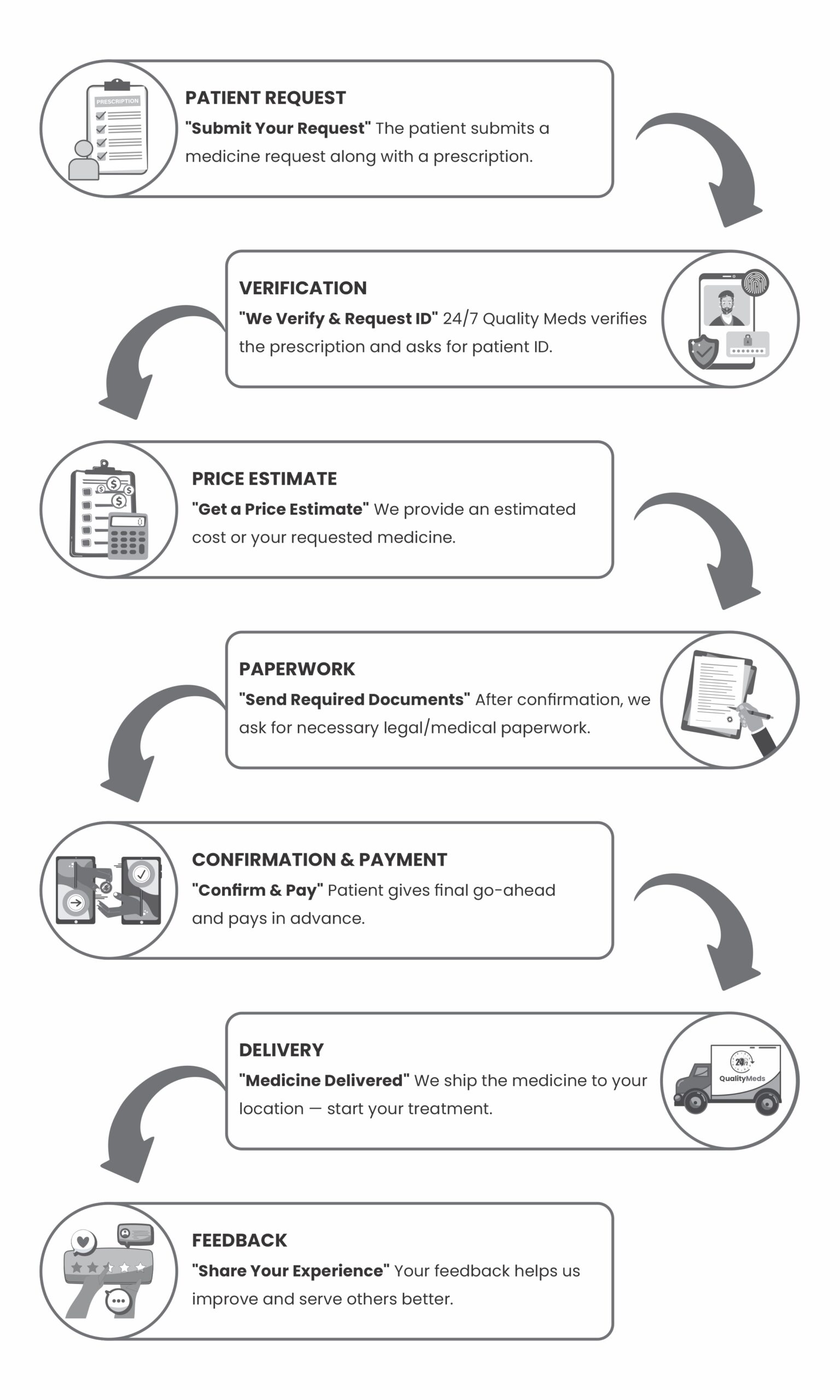
To buy Truqap (Capivasertib) 160 mg & 200 mg tablets in India at a genuine price, contact 24/7 QualityMeds. Our team helps you import this medicine legally and at the best possible cost.
How to buy Capivasertib (Truqap) in Delhi?
To buy Capivasertib (Truqap) in Delhi at the best price, contact 24/7QualityMeds. We assist eligible patients in accessing this medication under the Named Patient Program.
Where can I buy Capivasertib (Truqap) in Mumbai?
To buy Capivasertib (Truqap) in Mumbai, get in touch with 24/7QualityMeds. We guide your request through a Named Patient Program, ensuring verified sourcing and timely delivery.